-
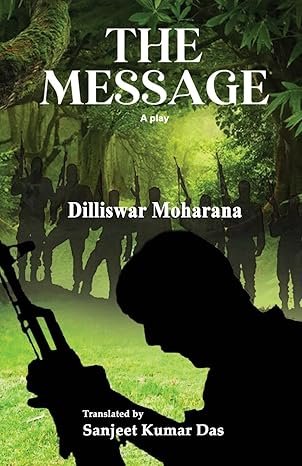
The Message
₹250.00The play’s plot unfolds with the protagonist, Arun, a First Class First Post Graduate student. Despite his good academic record, he could not get a job at the university. Average students get jobs in society due to political interference. Frustrated with the social system, he joins the Save India Fighter Organization (S.I.F.O.), an extremist group. The senior Freedom Fighter, Sugreeva Nayak’s daughter, Surabhi, is Arun’s crush. Their love gets approved by their parents. When her innocence is ruined by the associates of the political leaders Anadi Babu and Paramapriya Babu, she joins the S.I.F.O. group. Her illegitimate child, Alok, is brought to the S.I.F.O. Camp. The theme revolves around the character of Arun, who becomes a S.I.F.O. Fighter and is later convinced to join the mainstream of society. The commander’s dialogue matters here, “There are multiple entrance points, but no exit point to the extremists’ camp. Nobody can return from this organization with life.” Arun and his love Surabhi lose their lives while attempting to leave the camp towards the end of the play. When Doctor Satya Sanatan is kidnapped to their camp, his strong personality influences the fighters. He interacts with the S.I.F.O. Fighter Arun.Arun asks Doctor Satya Sanatan, “What do you mean by ‘Revolution’?” Satya Sanatan, a well-known writer, and a doctor, responds to Arun as follows: It is the transformation of an individual from the path of degeneration to righteousness, the correction of wrong to right, and the cultural change from horror to loveliness and the eternal. Revolution is not the slogan for an overnight storm. It can’t be achieved in a day. It needs mental preparedness and strong perseverance. Above all, it earnestly seeks the public’s approval, for this one can’t reach the people with a gun. People’s opinion is like an infant. We must glue our hearts with them with the softness of love and affection and give up pride to win their hearts. It would help if you served them. One must remember the truth that violence always gives birth to violence, love to love, and light to light. Arun again says, “We fight and will be fighting for the innocent people who are victimized and exploited daily in their lives by the rich and the hegemonic groups in power.”Satya again warns Arun, “Have you ever met your S.I.F.O. Chief? Have you ever understood where you get food, ammunition, and explosives? Or have you ever been given any chance to know all this? But why? Why are they so sympathetic to our country? Staying in foreign lands, they achieve their objectives using the people of this country. They never respect your aims.” Furthermore, Satya Sanatan adds, “Don’t think murdering a commoner is an adventurous work. If you want to prove that you and your organization are more powerful and above the law and the government, you are mistaken. You will be mean if you want to take revenge. You are afraid of the society. You have lost your courage to face the reality of life. Your future has terrified you so much that you are ready to bloodstain your present.”What your one lakh S.I.F.O. fighters do daily must be corrected. But at the end of the play, Doctor Satya Sanatan and Alok have been released from the camp. The play has a strong message about how Gandhism wins over Terrorism or Extremism.
-
The Metamorphosis and The Trial
₹350.00In “The metamorphosis,” a man finds himself transformed into a huge insect and experiences many changes in his life, and in “The trial,” narrates the experiences and reactions of a respectable bank functionary after his abrupt arrest on an undisclosed charge.
-
The Minor
₹300.00The Minor (Nabalak) is the story of the metamorphosis of the protagonist. The memories of who he was and where he lived are important to him. When he was a child, he seldom thought of the future. This innocence left him free to enjoy as few adults can. The day he frets about the future is when he leaves his childhood behind. The truth of life is that we get farther away from the essence that is born within us. We get shouldered with burdens, things happen to us, loved ones die, and people lose their way for a reason or another. It’s not hard to do in this world of crazy mazes. Life does its best to take that memory of magic away from us. You don’t know it’s happening until one day we feel we have lost something, but you are not sure what it is. Childhood, after all, is the first precious coin.
-
The Nameless Brook
₹400.00The Nameless Brook (Odia-Abibahita) is a moving tale of Jhara, a dedicated nurse whose life is shaped by love, loss, and quiet strength. Orphaned and emotionally isolated, she faces heartbreak, betrayal, and the weight of societal judgment. When she meets Suren-a gentle soul trapped in a loveless marriage-Jhara forms an unexpected bond with him and his daughter, Rista. But tragedy strikes, leaving Suren paralyzed and Rista vulnerable. Defying convention and family pressure, Jhara steps in as their caregiver and emotional anchor. Through trials of love, duty, and identity, the novel unfolds as a story of resilience and selfless devotion, where Jhara discovers that true family is built on compassion, not convention.
-
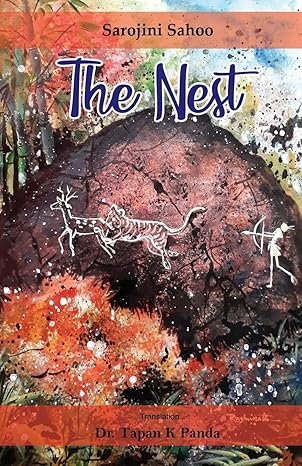
The Nest
₹300.00Pakhibsa is a story of the decadence of a family and their dream. This multi-dimensional novel includes a downtrodden family saga and the socio-economic picture of Odisha. The novel portrays a chain of events of an untouchable, downtrodden cattle bone collector, called Satnemis (through the protagonist Antaraa) and his family in western Orissa. Antaraa, the head of the family; his wife Sarasi; their three sons Sanyaasi, Daaktar, and Okil; and their daughter Parabaa.
A downtrodden man dreams of seeing his sons established in their lives. So, he names them Collector, Doctor (Daaktar), and Lawyer (Okil). He dreams of seeing his only daughter, Parabaa, as a bride, but was it ever possible?
The elder son, Sanyaasi, became a bohemian artist. The second son Daaktar became a bonded labourer. The third son Okil joins the Naxals. Days of hunger force Parabaa to be raped for a plate of rice by a forest guard, and later, she adopts the profession of prostitution. The novel ends with the death of Okil. The author juxtaposes lines from Bhagavat (a holy book in every Odia family) to build melancholy and generate intense emotional outages for the characters.
-
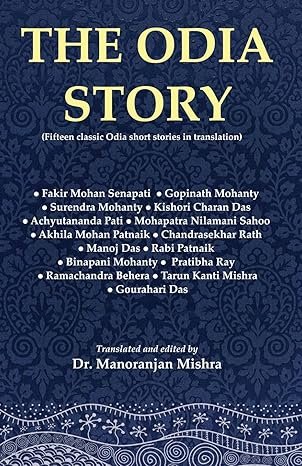
The Odia Story
₹350.00We present before you a platter full of delightful and enchanting Odia stories, written by past and present masters, translated into English. We start with the ‘Father of Odia nationalism and Odia Short Stories’, Fakir Mohan Senapati, who is believed to have laid the foundation of Odia short stories with his ‘Rebati’ in 1898. Fifteen stories have been included in this anthology. Most of the writers included here were either born in the first half of the twentieth century or shot to prominence during that period. Among the writers Fakir Mohan Senapati, Gopinath Mohanty, Surendra Mohanty, Kishori Charan Das, Achyutananda Pati, Mohapatra Nilamani Sahoo, Akhila Mohan Pattnaik, Chandrasekhar Rath, Manoj Das, Rabi Pattanayak, Binapani Mohanty, Pratibha Ray and Ramachandra Behera were born in the pre-independent India whereas Tarun Kanti Mishra and Gourahari Das were born after India attained independence. Together, these masters have been awarded with twelve Central Sahitya Akademi awards, eleven Odisha Sahitya Akademi awards, seven Sarala Puraskars, five Atibadi Jagannath Das awards, two Jnanapitha awards and one Moortidevi award. Besides, the list includes four Padma Shri and two Padma Bhusan awards. The numerous awards reflect their excellence in the field of Odia literature and their invaluable contribution to it.
-
The Painted Voice
₹250.00The kaleidoscopic earth and sky saturated with colours, sounds and perfume, are packed into his capsule-like poems ever glittering, humming, exuding sweet fragrance. However, one can’t help noticing an elegiac tune thrumming at the heart of the poems, of some intimacy found and lost, some moments of togetherness gone with the wind, a longing for renewal of life in love beyond time and space. Many of the poems testify to an aching heart seeking the healing balm from the benign Nature. That is why, perhaps, the poet sings with birds, yet grieves at a falling one; smiles with budding blooms; grieves at the wilting ones; rejoices at a quiet dawn propping a young sun. He too longs to offer his life to the fire of love, to lose the self to win liberation. All these speak volumes for the mind and heart that shaped the poems. Some are earthy, some skyiee, heavenly and some are exquisite fusion of both.
-
The Penance
₹380.00Prayaschita (The Penance) is the last of Fakir Mohan Senapati’s four novels and the third and the last in his ‘trilogy of crime and justice’, to use the epithet coined by the eminent Senapati scholar John Boulton. The first two novels of the trilogy are Chhamana Athaguntha (1902, Six Acres and a Third) and Mamu (1913, The Maternal Uncle). Prayaschita was published in 1915, just three years before the death of the novelist. The novel is of value for the light it casts on Fakir Mohan Senapati’s increasingly dark and tragic vision of life lived under the shadow of colonialism. He wrote it to defend the traditional values of the Hindu way of life which he saw as being gravely threatened by the alien value system of the British that had made huge inroads into the Indian society. In fact, it is a telling assault on the English education that is perforce mounted in the form of a defense of the traditional Indian society.
-
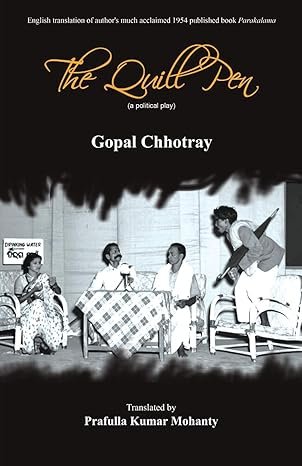
The Quill Pen
₹250.00Rural Odisha’s modernization and the birth pangs of a sound political structure resolving all ethical binaries is the primal theme of Gopal Chhotray’s Academy Award winning play Para Kalam(The Quill Pen). The realism of proscenium drama was given a technical facelift by the dramatist and can safely be called innovative and the introducer of post realist dramaturgy into the Odia stage. The Quill Pen being the first political play in Odia has several layers of meaning. The change in socio-intellectual awareness in rural Odisha apart, the fight for food security stymied by bureaucratic corruption tacitly supported by the political masters also has been dramatized with artistic fervor. The hero of the play is the Chief Minister of the state but is torn between his political aspirations and ethical compulsions. Finally the arc of the play bends towards moral energy and the Chief Minister rises above petty mundanity to sacrificial heroism. Love, although not the main thrust of the play has a fair measure of sophistication. The composition of scenes like the stringing of a pearl necklace is masterly. At the same time the dramatist’s understanding of the rural milieu, modern aspirations and his grasp of the economic and political realities of Odisha are a touch above the ordinary. Gopal Chhotray’s deep moral sense and his hope for the development of Odisha are discernible despite the impersonal dramatization of a very complex theme. The Quill Pen is majestic on stage and gripping on the study table.
-
The Red Woman
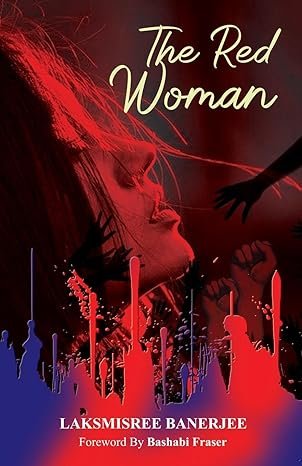
₹280.00These Poems are a Tribute, Ode and Stories of Womanhood, portraying Women’s complex lives in India as well as around the world. These are composed in diverse as well as specific poetic forms with modes of configuring female thoughts, feelings and experiences. Women themselves, as well as Female Trajectories and Historiography through the ages are known to have been purposefully, strategically and mindlessly marginalized in our largely Patriarchic societies. Their Voicelessness, Untold Stories need much wider audiences than ever before in our 21st Century. The World now claims to be more advanced, more knowledgeable and civilized than ever before. We are now reaching out to the sun, moon and stars in the galaxy, but ironically a very significant part of Humanity is still ignored and needs to be explored and understood much more. Women have been overtly and covertly traumatized, mutilated, raped, dishonoured, silenced, and humiliated for too long. These poems trace many female spaces and times of reprehensible acts as well as their stories of unassailable fortitude and courage, their spheres of positive effervescence to rise like the phoenix from the ashes, which continue to stimulate our world. These women-human-centric poems are beyond labels and categories, without any discrimination or borders. THE RED WOMAN promises to inspire and provoke us with echoes reverberating across the roof of the world with hopes and dreams of a better world of compassion and justice. An engaging must-read book for one and all.
-
The Refugee
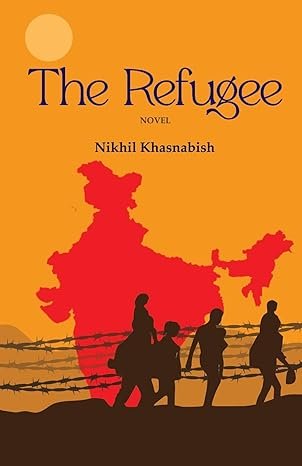
₹250.00Gunen Sarkar, a riot victim, comes to Assam in 1964 as a refugee from East Pakistan. He is separated from his wife, son, and one-year-old daughter in a forest. He settles in a small village. Despite his poverty and adverse situations, he never stops searching for his family. The NRC, which is compulsory for all citizens of Assam, creates new problems for him those who are unable to produce valid documents and get their names registered in the NRC will be put in detention camps and deported. But he has no legacy data, the most important document. What will happen to him? Will he ever find his family?
-

The Rhythm Eternal
₹160.00ଏହି ସଂକଳନରେ ସ୍ଥାନିତ, ଯାହାକୁ ଗଳ୍ପ ବୋଲି ବର୍ଣ୍ଣନା କରିବା ବ୍ୟତୀତ ଅନ୍ୟ ଉପାୟ ନାହିଁ, ସେହି ଆତ୍ମାନୁଭୂତିଭିତ୍ତିକ ଲେଖା ବ୍ୟତୀତ ବେଳେବେଳେ ଆଉ ଏକ ଏକ ମହତ ସ୍ପନ୍ଦନ ଏ ଲେଖକକୁ ତନ୍ମୟ କରି ରଖେ । ଦିବ୍ୟ ଜୀବନର ସାଧକ ଶ୍ରୀଅରବିନ୍ଦଙ୍କର ତପସ୍ୟା ସହିତ ନିଜକୁ ଏକାତ୍ମ କରି ଦେଇଥିବା ଶ୍ରୀମା ମୋ ଜୀବନର ଶ୍ରେଷ୍ଠ ପ୍ରେରଣାଦାୟିନୀ ଶକ୍ତି । ପଣ୍ଡିଚେରୀ ଶ୍ରୀଅରବିନ୍ଦ ଆଶ୍ରମରେ ସେ ଯେତେବେଳେ ଥିଲେ ସାଧନାମଗ୍ନ, ସେତେବେଳେ ଯେଉଁ ସାଂସ୍କୃତିକ କାର୍ଯ୍ୟକ୍ରମଗୁଡ଼ିକର ଆୟୋଜନ ହେଉଥିଲା, ସେଥିରେ ପରିପୂର୍ଣ୍ଣ ହୋଇ ରହିଥିଲା ଏପରି ଏକ ସୂକ୍ଷ୍ମ ତରଙ୍ଗ, ଯାହାର ଉତ୍ସ ଅବସ୍ଥିତ ଅଦୃଶ୍ୟ ସୂକ୍ଷ୍ମ ଜଗତରେ । ଶ୍ରୀମାଙ୍କ ପ୍ରେରଣାରେ ‘ଦି ରିଦମ୍ ଇଟରନାଲ୍]’ ନାମରେ ଯେଉଁ କାର୍ଯ୍ୟକ୍ରମଟିର ପରିକଳ୍ପନା ହୋଇଛି ଓ ନାଟ୍ୟ-ମଞ୍ଚ ଉପରେ ତାହାର ଅଭିନୟ ପ୍ରକାଶ କରିଛି ଚିରନ୍ତନ ସଙ୍ଗୀତର ଧ୍ୱନିକୁ, ତାହାର ଆଧାରରେ ରଚିତ ହୋଇଛି ଏହି ଗଳ୍ପଟି । ପୁସ୍ତକଟିର ନାମକରଣ ସମ୍ପର୍କରେ ଅତ୍ୟନ୍ତ ନିବିଡ଼ ଭାବରେ ଯେତେବେଳେ ମୋର ଅନ୍ତଃସତ୍ତା ସମାଧିସ୍ଥ, ସେତେବେଳେ ହିଁ ଅନ୍ତଃପ୍ରେରଣାର ଏକ ବିରଳ ସଂକେତ ସମୁଜ୍ଜ୍ୱଳ ହୋଇଉଠିଲା ମୋ ଭିତରେ । ଯାହାର ଅନୁପ୍ରେରଣା ଦ୍ୱାରା ପରିଚାଳିତ ହୋଇ ଏହି ନାମ ରଖିବା ପାଇଁ ମୁଁ ଥିଲି ଏକ ନିମିତ୍ତ ମାତ୍ର । ଇଂରାଜୀ ନାମ ବୋଲି ଓଡ଼ିଆ ଗଳ୍ପ ସଂକଳନର ନାମକରଣ ଯେ ହୋଇପାରିବ ନାହିଁ, ଏପରି ଚିନ୍ତନ ମୋତେ ଆଦୌ ବିଚଳିତ କରିଦେଇ ନାହିଁ । ସମଗ୍ର ସଂକଳନଟିରେ ଯେତିକି ଗଳ୍ପର ଭାବବିନ୍ୟାସ ହୋଇଛି, ସେସବୁ ଯଦି ଗୋଟିଏ ସୂତ୍ରରେ ଗୁନ୍ଥି ଦିଆଯାଏ, ତା’ହେଲେ ତାହା ହେବ – ଦି ରିଦମ୍ ଇଟରନାଲ୍ । ଗୋଟିଏ ଗଳ୍ପର ନାମକରଣ ମଧ୍ୟରେ ସଂକଳନସ୍ଥ ସବୁ ଗଳ୍ପର ଭାବ-ବ୍ୟାପ୍ତିକୁ ସହୃଦୟ ପାଠକମାନେ ନିଶ୍ଚୟ ଅନୁଭବ କରିପାରିବେ ବୋଲି ମୋର ସୁଦୃଢ଼ ବିଶ୍ୱାସ । ଏଠାରେ ଭାଷା ଶାଶ୍ୱତ ଭାବରାଶିର ଏକ ଉଜ୍ଜ୍ୱଳ ସଂକେତ ମାତ୍ର । ଏହି ଭାବଧାରା ଅନୁସରଣରେ ଭାବଗ୍ରାହୀ ପାଠକପାଠିକାବର୍ଗ ଉଦ୍]ବୁଦ୍ଧ ହେଲେ ନିଜକୁ ଭାଗ୍ୟବାନ ମନେକରିବି ନିଶ୍ଚୟ ।
– ପ୍ରଫେସର ମଣୀନ୍ଦ୍ର କୁମାର ମେହେର