-
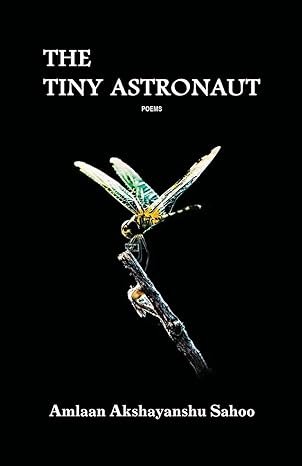
The Tiny Astronaut
₹180.00This book is
a hopeful song of voices new
yet ancient in their inspiration
a bold stroke of colours different
yet confident in their adoption
stringing together poems
born of ripples
on the lake of life
evoking the
subtle complexity
unabashed versatility
blemished beauty
of being
human.
-

The Waste Land and Other Poems
₹160.00Widely regarded as “The Poem of the Century, “The Waste Land is an “infinitely mysterious poem,” which, according to John Xiron Cooper, “is a poem we have learned to handle, but not a poem, we have tamed.” It is true that publication of the poem marked a watershed moment in the history of British poetry. Soon after its appearance, first in the inaugural volume of The Criterion (October 1922), a quarterly British literary magazine, founded and edited by Eliot himself, in London, and next in the American publication The Dial in New York (November 1922), the poem came to be regarded as one of the seminal works of modernist poetry, and Eliot as a very important literary figure of the time. Eliot earned the Dial Award of $2,000.
It is important to note that The Waste Land has no definite structure. It is a poem that does not have a plot. Nor does it have a beginning nor an end. The poetic fragments mirror the fragmentation of life in the cities of Europe, devastated by World War I. It can be termed as “a heap of broken images,” a poem, as asserted by Harold Munro, “a potpourri of descriptions and episodes.” Since the poem is based on Tiresias’s visions which come to him in spurts, The Waste Land seems to be fragmented or disjointed. The reader is expected to string all these fragments together to derive meaning.
The Waste Land is also a multi-voiced poem, it has a multitude of voices, voices spoken in Greek, Latin, Sanskrit, German, and Italian. It is also richly allusive and polyvocal. It alludes to several texts such as Ovid’s Metamorphoses, Dante’s Divine Comedy, Baudelaire’s Les Fleurs du mal, Shakespeare, Buddhism, Hindu Upanishad and others. The mind-boggling allusiveness and profundity of the text just went over the heads of his readers, who were initially baffled by a string of quotations and reference to a variety of sources in multiple languages like Greek, Latin, French, German, Italian and Sanskrit. They could hardly grasp Eliot’s ‘aesthetics’ of fragmentation and juxtaposition, which can be taken as an inextricable part of the poem’s symbolic significance.
The Waste Land is basically a peopled landscape; many characters, several of whom are women, roam around freely in the wasteland. It is interesting to note that “all the women are one woman, and the two sexes meet in Tiresias.” All these women have their own individual story to narrate, their own voice for people to listen to. Such women like Marie, a niece and confidante of Empress Elisabeth of Austria, Belladonna, the Lady of the Rocks, Lil, the mother-of-five whose unhappy marriage is discussed by her friend in a London pub, the fortune-teller Madame Sosostris, the typist girl, who is “bored and tired,” the nymphs, who happened to be the friends of the loitering heirs of city directors vary from each other in terms of their age, class, educational level or socio-economic status.
The Waste Land is fragmented into five sections: ‘The Burial of the Dead, ‘ ‘A Game of Chess’, ‘The Fire Sermon, ‘ ‘Death by Water’ and ‘What the Thunder Said.’
-
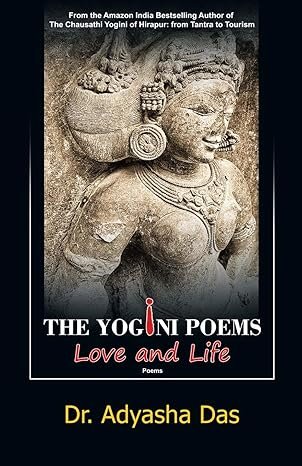
The Yogini Poems: Love and Life
₹250.00This collection of poems is dedicated to the Yoginis the author has met in course of her research and travel. A pronounced sense of sacredness and spirituality characterizes these women of the mystic Yogini cult which venerates the all powerful Divine female figure, the “Yogini”. The enigma of these tantric goddesses intrigued the author. These poems are a tribute to the forgotten Yoginis and are an attempt to write about the silence, light and space in the life and love meanderings of the Yogini.
-
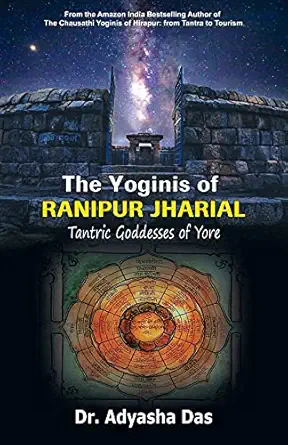
The Yoginis of Ranipur Jharial: Tantric Goddesses of Yore
₹225.00“The Yoginis of Ranipur Jharial: Tantric Goddesses of Yore” is a compilation of the author’s research, readings and insights on the Chausathi Yoginis temple at Ranipur Jharial (Balangir, Odisha, India). This book was motivated by the author’s desire to delve deeply into the tantric roots in which the Yogini cult is embedded and to link it to the significance of this site as a potential cultural tourism destination. The book focuses on the forgotten Chausathi Yoginis along with rare facts about the temple, the author’s mystical insights, explorations of the Yogini cult and its contemporary relevance.
-
Threads of Thoughts
₹250.00Welcome to my poem collection, a journey through the myriad landscapes of emotion and introspection. It helps me to explore and heal by articulating the intricacies of life through my poetry. I am thrilled to share this exploration with you through this book.The poems have been written over the past seven years and translated during the past year. It reflects my growth as a person and a poet. Each poem tries to capture the essence of my feelings and reflections during a point in time. From the quiet whispers of nature to the loud clamor of the human heart, these poems span a wide range of themes, including love, loss, hope, introspection, and celebration of life.In “Boundaries of The Mind,” I delve into the struggle for self-realization and the journey from despair to liberation. “The Man in My Lake” reflects on betrayal and the swift changes that can potentially alter one’s core values. “Ode to Chairs” personifies an inanimate object, evoking themes of memory, neglect, and the passage of time. “Mother” portrays the essence of motherhood as a gift of immense love and sacrifice. “Lost Echoes of the Earth” laments the loss of connection to nature in the face of modern progress.I have translated a few poems into Hindi and Bangla to reach my extended family who live in various states of India. The translation took much longer than initially anticipated and turned out to be quite a learning experience for me. I have also translated some of the poems into Latin to nurture classical antiquity. I hope that readers will be able to connect with the emotions portrayed in the translated version.Writing poetry is a deeply personal endeavor, yet it tries to bridge the gap between the writer and the readers. I hope that these poems will not only convey my thoughts and feelings but will also inspire you to reflect on your own.I thank you for embarking on this poetic journey with me. Your readership brings these words to life, and for that, I am profoundly grateful.With heartfelt appreciation,
–-Ronok Ghosal
-
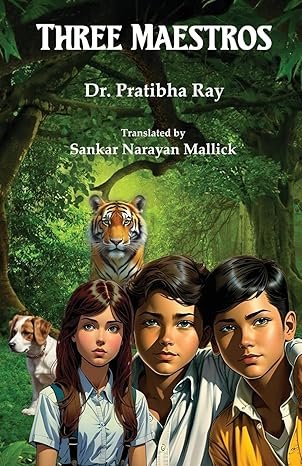
Three Maestros
₹250.00Three Maestros is the English translation of the legendary writer Pratibha Rays’s Odia storybook Tini Ostad.The novella had its genesis in the bed time story-telling of the author in her role of raconteur to her three children.Three school going siblings play truant and go on a picnic to the forest, meet a dog there and an adventure unfolds which takes them through a dacoit’s den, a sea voyage, landing in an unknown island, an attempt to civilise the islanders, pining for home and coming back. The novel is touched by patriotism, love of nature, love of people, compassion for animals, fellow-feeling, value of education and literacy, significance of science and technology, and a positive humanistic outlook. Like a fine book of children’s literature, this illustrated book is gripping from cover to cover and has an appeal not only for the children, but for the child alive in every adult as well.
-
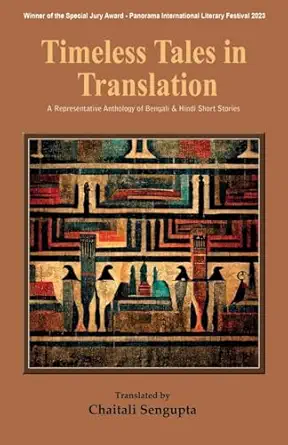
Timeless Tales in Translation: A Representative Anthology of Bengali and Hindi Short Stories
₹350.00‘Timeless Tales in translation’ brings together selected short stories (in translation) of the various Bengali and Hindi/Urdu writers from the Indian subcontinent. It includes the notable works of the most well-known Indian writers- Swarnakumari Devi, Rabindranath Tagore, Munshi Premchand, Jaishankar Prasad, Sarat Chandra Chatterjee and others. The stories selected contain some of the most groundbreaking, progressive, and thought-provoking writing in Indian Literature from 1855 to 1955, considered as an important period in the literary history of the subcontinent. A complex body of literature emerged in India during this period. The stories, chosen from that interesting period, cover a wide variety of subjects from historical to social to moral and they give us a glimpse of an intimate portrait of life, bringing out a meticulous picture of rural, semi-feudal India, in the colonial times.
-
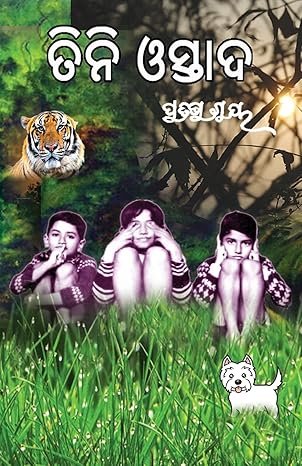
Tini Ostad
₹150.00ସ୍କୁଲରେ ପାଠ ପଢୁଥିବା ତିନିଟି ଭାଇଭଉଣୀଙ୍କର ଦୁଃସାହସିକ କୌତୂହଳର କାହାଣୀ ହେଉଛି ‘ତିନି ଓସ୍ତାଦ୍]’ । ଓଲ୍]ଟୁ, ପାଲ୍]ଟୁ ଓ ଢୋଲ୍]କି ସ୍କୁଲ୍]ବ୍ୟାଗ୍ ଧରି ପାଠପଢ଼ିବା ଆଳରେ ବଣଭୋଜି କରିବାକୁ ଚାଲିଯାଆନ୍ତି ପାଖ ଜଙ୍ଗଲକୁ । ସେଠାରେ ଭାତ, ଡାଲି, ପରିବା ସିଝାଇ ଅଲଣା ଖେଚୁଡ଼ି ରାନ୍ଧି ମହାଖୁସି । ଭୋକିଲା ପେଟରେ ତିନିଟି ପତରରେ ଖେଚୁଡ଼ି ବାଢ଼ି ଖାଇବସିଲାବେଳକୁ ଭୋକିଲା କୁକୁର ଛୁଆଟିଏ କୁଁ କୁଁ ହୋଇ ପାଖରେ ପହଞ୍ଚେ । ସ୍ନେହରେ, ଦୟାରେ ନିଜ ପତରରୁ ଖାଦ୍ୟ ନେଇ ଆଉ ଗୋଟିଏ ପତ୍ର ବାଢ଼ନ୍ତି କୁକୁରଛୁଆ ପାଇଁ । ହାଲିଆ ହୋଇ ଶୋଇପଡ଼ନ୍ତି । ନିଦ ଭାଙ୍ଗିଲାବେଳକୁ ଜଙ୍ଗଲ ଭିତର କିଟ୍]କିଟ୍ ଅନ୍ଧାର ରାତି । କେମିତି ଘରକୁ ଫେରିବେ? କୁକୁରଟି ବାଟ କଢ଼ାଏ । ସ୍ନେହର ମୂଲ୍ୟ ସେ ବୁଝେ । ସକାଳ ପାହିଲାବେଳକୁ ସେମାନେ ପହଞ୍ଚନ୍ତି ଏକ ଅଜଣା ସହରରେ ।କାରଣ କୁକୁରଟି ସେମାନଙ୍କୁ ବିରୀତ ଦିଗରେ ବାଟ କଢ଼ାଇଥିଲା, ଅନ୍ୟ ଦିଗରେ ବାଘ ମାତିଛି ବୋଲି । ଏଇଠାରୁ ଆରମ୍ଭ ହୁଏ ତିନି ଭାଇଭଉଣୀ ଓ କୁକୁର ବାହାଦୁର୍]ର ଦୁଃସାହସିକ ଯାତ୍ରା । ଡକାୟତ ଆଡ୍]ଡ଼ା, ସମୁଦ୍ର ଯାତ୍ରା ଏବଂ ଏକ ଅଜଣା ଦ୍ୱୀପରେ ପହଞ୍ଚିଚ ମଣିଷଖିଆ ମଣିଷଙ୍କୁ ଭେଟି କିରି ବିଭିନ୍ନ ସମସ୍ୟାର ସମାଧାନ କରିଛନ୍ତି ତାରି ବର୍ଣ୍ଣନା କାହାଣୀଟିକୁ କରିଛି ଅତ୍ୟନ୍ତ ରୋମାଞ୍ଚକର ଓ ଶିଶୁ ମନଲୋଭା । ସେହି ଦ୍ୱୀପର ମଣିଷମାନଙ୍କୁ ସେମାନେ ଶିକ୍ଷିତ କରିଛନ୍ତି । ନୂଆ ସମାଜଟିଏ ଗଢ଼ିଉଠିଛି । ଫଳ ଫୁଲରେ ଭରା ଦ୍ୱୀପଟିର ନାମ ଦେଇଛନ୍ତି ‘ସବୁଜ ଦ୍ୱୀପ’ । ଶେଷରେ ବାହାଦୁରର ଦୁଃସାହସ ଓ ବୁଦ୍ଧି ପାଇଁ ଗୋଟିଏ ଜାହଜ ସବୁଜ ଦ୍ୱୀପ ନିକଟରେ ପହଞ୍ଚିଛି । ସେମାନେ ଗୋଟାଏ ବନ୍ଧୁଦ୍ୱୀପରୁ ବିଦାୟ ନେଇ ଫେରିଛନ୍ତି ନିଜ ଦେଶକୁ । ସେମାନଙ୍କୁ ନିମନ୍ତ୍ରଣ କରିଛନ୍ତି ତାଙ୍କ ଦେଶକୁ ଆ ଏହି ପୁସ୍ତିକାରେ ଅଛି ଦେଶପ୍ରେମ, ପ୍ରକୃତିପ୍ରେମ, ପଶୁପ୍ରେମ-ଜୀବେଦୟା, ମଣିଷ ପ୍ରତି ବିଶ୍ୱାସ, ସାକ୍ଷରତା ଅଭିଯାନ ଏବଂ ଜ୍ଞାନବିଜ୍ଞାନର ସରଳ କାହାଣୀ ।
-
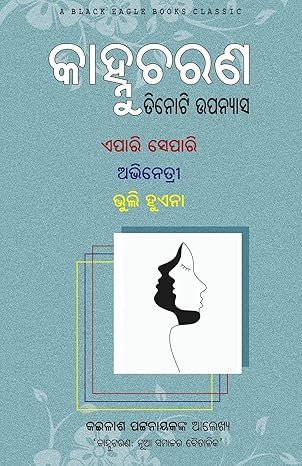
Tinoti Upanyasa: Epari Separi, Abhinetri, Bhuli Huena
‘ପେଚିଟି ଆଜି ରୁଷିଛି’- ଏଇ ବାକ୍ୟରୁ ଆରମ୍ଭ ହୋଇଛି ତମ ଉପନ୍ୟାସ ‘ଏପାରି ସେପାରି’ (୧୯୪୬) । ସେଇ ପେଚି ତମର ଏ ଉପନ୍ୟାସର କେନ୍ଦ୍ରୀୟ ଚରିତ୍ର । ଏମିତି ତ କେତେ ଉପନ୍ୟାସ ଲେଖା ହେଇଚି ନାୟିକାଙ୍କୁ ନେଇ । ସମଗ୍ର ଊନବିଂଶ ଶତାବ୍ଦୀର ଧାରାତ ଥିଲା ଏମିତି! ହେଲେ ତମର ପେଚିକୁ ମୁଁ ସ୍ୱତନ୍ତ୍ରଭାବେ ଉଲ୍ଲେଖ କରୁଚି ଏଇଥିଲାଗି ଯେ ତା ପରି ଖଞ୍ଜ, ଦୁଃଖୀ, ଅଭାବୀ, ସ୍ୱାମୀ ପରିତ୍ୟକ୍ତା, ପରିବାରର ବିରାଗଭାଜିତ ସ୍ତ୍ରୀଟିଏକୁ ତମେ କରିଚ ତମର ଏ ଉପନ୍ୟାସର କେନ୍ଦ୍ରବିନ୍ଦୁ । ଠିକ୍ ଏମ୍]ତି ଗୋଟିଏ ସ୍ଥିତି ତମେ ତିଆରି କରିଚ ‘ଭୁଲିହୁଏନା’ (୧୯୪୮)ରେ । ରତନୀକୁ ସଜେଇଚ ତମେ ଏକ ଉପନ୍ୟାସର ମଧ୍ୟମଣିକରି । ପେଚିପରି ସେବି କଷଣ ଓ ଯାତନାର ଶିକାର ହୋଇଛି । ସ୍ୱାମୀ ଯୋଗିଆ କାମ ପାଇଟି ଲାଗି ଯାଇଚି ‘ରାଙ୍ଗାମ’ । ରହିଚି କେଇଦିନ କି ନାଇଁ ‘ବ୍ରହ୍ମଦେଶକୁ ଜାପାନ ଦଖଲ କଲା ।’ ଯୋଗିଆ ଫେରିଲାନି, କିଛି ଖବର ଆସିଲାନି । ରତନୀ ଖୁଡ଼ୀର ନିର୍ଯ୍ୟାତନା ସହିଚାଲିଲା । ଦିନେ ଡାକବଂଗଳାର ଜଣେ ବାବୁଙ୍କ ପାଖରୁ ସେ ହେଇଚି ଗର୍ଭବତୀ । ନିର୍ଯାତିତା କିଶୋରୀଟିଏକୁ ଆହୁରି କଷଣ ଦେବାକୁ ଏମିତି ଖଳବୁଦ୍ଧିବି ରଖିଥିଲ କାହ୍ନୁଚରଣ! ତା’ପରେ ଆଉ ତା’ର ହେଇଥାନ୍ତା କ’ଣ? ଏକମାତ୍ର ଆଶ୍ରୟ ଦାଦାଖୁଡ଼ୀଙ୍କ ଘର ବି ଗଲା । ସେ ହେଲା ବାଟର ଭିକାରୀ, ପାଗଳୀ । ସେଇ ଚରମଦୁଃଖର ଦିନମାନଙ୍କରେ ଆସି ପହଞ୍ଚିଥିଲା ହଠାତ୍ କେଉଁଠୁ ଯୋଗିଆ । ‘ଚରିତ୍ରହୀନା’ ରତନୀକୁ ଆଉ ଘରକୁ ନେବ କଣ, ନିଜେ ଦୂରେଇଗଲା ା!
ମାୟାକୁ ସାଧାରଣ ବିଧବାଟିଏରୁ ତମର ଅନନ୍ୟ ବିଜ୍ଞାନୀ-ବିଧବାଟିଏରେ ରୂପାନ୍ତରିତ କରିଦେଇଚ କାହ୍ନୁଚରଣ! ପ୍ରତିଭାବାନ ଲେଖକମାନେ ତ ଏଇମିତି ଭାବେ ସାମାନ୍ୟରେ ରୂପ ଗଢ଼ନ୍ତି ଅସାମାନ୍ୟର!! ନାରୀଟିଏ ତାର ମର୍ଯ୍ୟାଦା ଓ ସମ୍ମାନପ୍ରତି ଯଥେଷ୍ଟ ସ୍ପର୍ଶକାତର । ସେଇତାର ପରିଚୟ । ସେଇ ପରିଚୟର ଜୟଗାନ, ତମ ଉପନ୍ୟାସ ମାନଙ୍କରେ କାହ୍ନୁଚରଣ, ବାରମ୍ବାର ଆସିଚି! ସେଇଥିଲାଗି ତମ ଭିତରର ନାରୀସତ୍ତା ତମ ଲେଖାରେ ଏତେ ଉଜ୍ଜ୍ୱଳ । ସେଇ ସତ୍ତାତ ତମପାଇଁ ଡାକି ଆଣିଚି ଜୟ ଜୟକାର!!
-
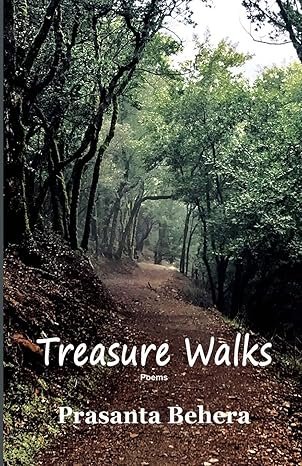
Treasure Walks
₹250.00Walks that remain in the heart remind us of memories and connections allows us to carry our journey from today to tomorrow. In many such walks (or hikes) alone, I have started to observe little things unnoticed before. I have captured some of those memories, observations and conscious thoughts as “Treasure Walks”. May you find your own reflective thoughts in your walks.
-
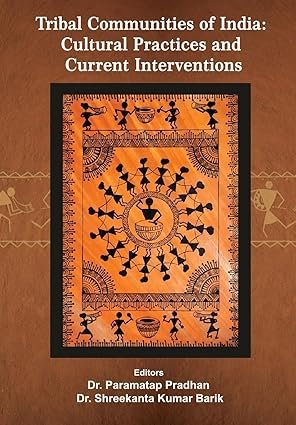
Tribal Communities of India: Cultural Practices and Current Interventions
₹500.00The book includes articles which describe the belief systems, spiritual practices, knowledge of the traditional medicine, myth and modes of performance, orality and features underpinning the community cohesion. Moreover, articles related to constitutional and legal safe guards, healthcare, education and other state- led initiatives and their effect on community lifestyles are included. Documentation, in varying degrees is being carried on the contemporary life these communities by conscious members like Paramatap Pradhan and Shreekanta Kumar Barik. More such efforts with increasing quality are the need of the hour, given the precarious nature of the communities in their inhabited areas. Any amount of encouragement could still fall short of the required efforts to conserve the cultures of these increasingly marginalized groups of people.
-

Truck Dalare Sanatana
₹150.00Sanatana is not a name or a character; he is the embodiment of a struggling humanity. He is the man who survives defeating all calamities and crisis. He is the bravest Odia man who faced severest of the famines and fiercest of the cyclones. He is the hero who writes history in his own blood. He is the metaphoric representation of peasants and labourers. He is the timeless fighter in Prasanna Kumar Mishra’s poetry. Truck Dalare Sanatana ( Sanatana in a truck’s trolly) is a collection of poem which was written with the blood and sweat of the common man.