-
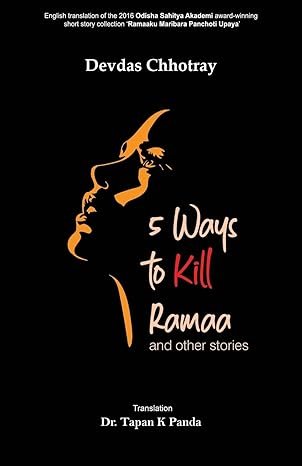
5 Ways to Kill Ramaa and Other Stories
₹250.00Fantasy and prudence are like a swing door through which imagination and creativity move without any effort. Devdas Chhotray acknowledges that the stories are tantamount to falsehood though it is perceptible at a certain point.’Five Ways to Kill Ramaa’ is a uniuqe theme of the writer playfully toying with disparate ideas to kill Ramaa. The writer builds a castle in the air and conceptualizes five different ways of doing this. Since her childhood, he has known Ramaa. Then he had frequently visited Tiku, who is Ramaa’s elder brother. She was a sloppy mess and had unkempt hair, which was covered with dandruff, and that’s the reason why her hair was shaved frequently. In his childhood, Ramaa’s living room became a place to enact the play where he and Ramaa acted like a couple and Tiku as a tutor. Ramaa draped herself with Kuni aunty’s saree, decked herself up in jewels and had put vermilion on her forehead. He fantasized about Ramaa in the same attire when he was thirteen. He still remembers when Ramaa wore a saree for the first time. She looked like a beautiful rose in her pink saree. She revealed her grandeur. She appeared like a bride, but he could never see her because, fifteen years after of this incident, she eloped with Bikas and solemnized her marriage in court.Ramaa’s attitude towards the writer was never favourable, but her first saree-draped matured figure transfigured him into a grown-up man.In Bikas and Ramaa’s story, the writer introduces the character, Bikas. Bikas’s personality enticed Ramaa, and she was put under a spell by his charm. Ramaa justified her action and, of course, succeeded in marrying Bikas. The writer was a scapegoat in this affair and witnessed their marriage. His bitterness for Bikas grew with time, and he always tried to find a way to spoil this prospering liaison.’Why to Kill Ramaa’ presents the writer’s devilish vision of slaying Ramaa. In ‘The First Attempt, ‘ the writer spilled kerosene all over the floor and lit a fire. The glass case in which Ramaa was standing was engulfed with fire. The next day he turned the newspaper’s pages, apprehending that the news might have been published but finally concluded that it was his dream but not the reality. In the second, third, fourth, and fifth attempts, the writer lists various strategies to kill Ramaa. These indicate his attitude and resentment for Ramaa.
-
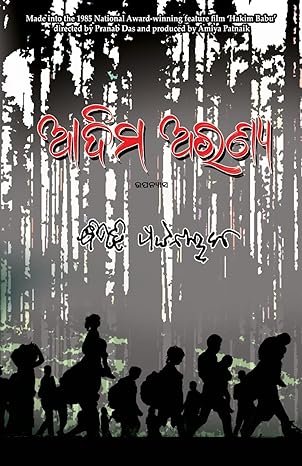
Adima Aranya
₹200.00ଆଦିବାସୀମାନେ ହିଁ ଭାରତ ଭୂଖଣ୍ଡର ଆଦିମ ଅଧିବାସୀ । ଆର୍ଯ୍ୟମାନେ ଭାରତ ଆସିଲାପରେ ସୈନ୍ଧବ ଗାଙ୍ଗେୟ ସମତଳ ଭୂମି ଆଦିବାସୀମାନଙ୍କଠାରୁ ଛଡ଼େଇ ନେଇ ସେମାନଙ୍କୁ ପାହାଡ଼ ପର୍ବତ ଘେରା ଦୁର୍ଗମ ଅରଣ୍ୟକୁ ବିତାଡ଼ିତ କରିଥିଲେ । ବ୍ରିଟିଶ ସରକାର ଭାରତ ଅଧିକାର କଲାପରେ ଆଦିବାସୀମାନଙ୍କଠାରୁ ଅରଣ୍ୟ ସମ୍ପଦ ଉପରେ ଥିବା ସେମାନଙ୍କର ଅଧିକାର ଛଡ଼ାଇ ନେଇଥିଲେ । ଦେଶ ସ୍ୱାଧୀନ ହେଲା ପରେ ସ୍ୱଦେଶୀ ସରକାର ଆଦିବାସୀମାନଙ୍କୁ ଅରଣ୍ୟ ସମ୍ପଦ ଉପରେ ଥିବା ସେମାନଙ୍କର ଅଧିକାର ଫେରାଇ ଦେବା ପରିବର୍ତ୍ତେ ଦେଶୀ, ବିଦେଶୀ କମ୍ପାନୀମାନଙ୍କୁ ଅରଣ୍ୟରେ ଖଣିଜ, ବନଜ ସମ୍ପଦ ଲୁଟ୍ କରି ସେମାନେ କଳକାରଖାନା ବସାଇବା ପାଇଁ ଅନୁମତି ଦେଇ ଆଦିବାସୀମାନଙ୍କୁ ବିସ୍ଥାପିତ କରି ଚାଲିଛନ୍ତି ।
ଆଦିବାସୀ ଜୀବନର ଏହି ମର୍ମନ୍ତୁଦ ପ୍ରେକ୍ଷାପଟ୍ଟରେ ଗଢ଼ି ଉଠିଛି ଏ ଉପନ୍ୟାସର କଥାବସ୍ତୁ । କେନ୍ଦୁଝର ମାଝିପଡ଼ାର ମାଆ ଛେଉଣ୍ଡ କାନୁକୁ ଗୁରୁମାଆ ନିଜ ପୁଅ ବନୁଠାରୁ ଅଧିକ ଯତ୍ନରେ ବଢ଼ାଇଥିଲେ, ପଢ଼ାଇଥିଲେ । କାନୁ ପାଠପଢ଼ି ହାକିମ ହେଲେ ମାଝିପଡ଼ାରୁ ଦୁଃଖ ଯିବ । ସାହୁକାର, ଜଙ୍ଗଲ ଜମାଦାର, ଠିକାଦାରମାନଙ୍କ ଶୋଷଣ, ଅତ୍ୟାଚାରରୁ ବଞ୍ôଚ ବର୍ତ୍ତି ଯିବେ ମାଝିପଡ଼ା, ଧାମପାଲିର ଆଦିବାସୀମାନେ ।
କାନୁ ମାଝି ପାଠପଢ଼ି ହାକିମ ହେଲା । ଆଇ.ଏ.ଏସ୍]. ଅଫିସର । ତା’ର ପିଲାଦିନର ଖେଳସାଥୀ ଧାନୀକୁ ବାହାହେବ ବୋଲି କଥା ଦେଇଥିଲା କାନୁ । କିନ୍ତୁ ବଡ଼ ହାକିମ ହେଲା ପରେ ଧାନୀ ଭଳି ଅପାଠୋଇ ଧାଙ୍ଗଡ଼ିକୁ ବାହାହେଲେ ସେ ତା’ ସହିତ ପାଦ ମିଳାଇ ଚାଲି ପାରିବ ନାଇଁ ବୋଲି ତା’ର ଉପର ଅଫିସର୍ ଅଣଆଦିବାସୀ ଆଇ.ଏ.ଏସ୍]. ଅଫିସରଙ୍କ ଝିଅକୁ ବାହାହୋଇ ପଡ଼ିଲା କାନୁ ।
ଓଡ଼ିଆ କଥା ସାହିତ୍ୟର ଶିଖର ପୁରୁଷ ବିଭୂତି ପଟ୍ଟନାୟକଙ୍କ ଏହି କାଳଜୟୀ ଉପନ୍ୟାସ ଅବଲମ୍ବନରେ ନିର୍ମିତ ଅମୀୟ ପଟ୍ଟନାୟକଙ୍କ ପ୍ରଯୋଜିତ ଓଡ଼ିଆ ଚଳଚିତ୍ର ‘ହାକିମବାବୁ’ ୧୯୮୫ ମସିହାରେ ପୂର୍ଣ୍ଣ ପ୍ରେକ୍ଷାଳୟରେ ମୁକ୍ତିଲାଭ କରି ଦର୍ଶକମାନଙ୍କ ଉଚ୍ଛ୍ୱସିତ ପ୍ରଶଂସା ଲାଭ କରିଥିଲା ।
-

Adina Megha
₹200.00When three women enter one man’s life, the complications can be as many. Adina Megha. meaning ‘Untimely Showers’ deals with the love and sacrifice of three women for the same man.
Directed by Amit Maitra and produced by Babulal Doshi, his was made into a feature film in 1970 which was received National award for best Odia movie.
-

After the Deluge
₹600.00The greatest work of Pratibha Ray is definitely her novel Magnamati (After the Deluge) first published in the Odia in 2004, translated into several Indian languages and into English by Prafulla Kumar Mohanty. Based on the 1999 killer cyclone of Odisha which devastated the entire coastal belt, it is one of the most original novels depicting the saga of mother Earth and her relationship with her children, the human race. Which she holds in display as she does trees, rivers, mountains and seas. Man is sustained by this mother, nourished in his destiny. But when man transgresses the epitomic tolerance of mother Earth, she chastises him with her demonic fury. The cyclone in this novel is symbolic of nature’s fury which she lashes out on man and civilization with as much diabolism as she lavishes her love, kindness and divine grace with tenderness. Pratibha creates a world of villages, valleys, rivers, seas and people, tracing the history of the fisherman community to it’s a mythical ancestor. This community, in the novel, grows organically, spreading far and wide like a world full of men of all religions, languages and professions, and how it grows and expands into a modern civilized unit despite primitive professions and poverty. After the Deluge is a powerful saga of the jest for life of man on the Earth and how Bikram and Girima unite the survivors into a human group to fulfill destiny’s course in a new world called Basumatipur (Mother earth).
-

Ahalya
₹210.00After being abducted and thrown into the inhumane world of human trafficking, 17-year-old Ahalya, a girl from the lower castes in Odisha grapples with the concepts of prostitution, religious discrimination and the underworld. With every passing day, as she rises through the brothel’s hierarchy, she faces questions of her own existence and identity. This is her journey as she struggles to rediscover her own self and find solace amidst the chaos that is her life.
-
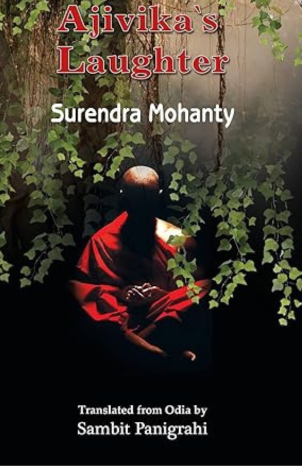
Ajivika’s Laughter
₹350.00Dispelled from Buddhist community of ‘Mahabana Vihara’ because of their deviant behaviour, Upananda and Kshema, roam through jungles and cities to ultimately become the leaders of a deviant group of disciples who purposely defy Buddhism’s principles of renunciation and self-abnegation. Such deviation culminates in a confrontation between the principle-abiding older disciples and the deviant younger ones who desire to live free and licentious lives, going against the restrictive religious proscriptions of their community. This conflict is the central theme of Surendra Mohanty’s Odia novel Ajibakara Attahasya (translated into English as Ajivika’s Laughter by Sambit Panigrahi) and it defines the novel’s unique and vibrant character. Ultimately, this internal ideological conflict in the community culminates in a mega-Buddhist council arranged by monarch Ashoka in Baisali where the older and younger disciples confront, argue and debate for their respective sides and finally, the younger disciples win this religious battle. Monarch Ashoka supports and patronizes the latter and provides them with all material benefits and pleasures of worldly life, and by doing so, he becomes their chief religious patron. With their help and support, he not only rectifies his tarnished ‘Chandashoka’ image, but also tactfully maintains his kingdom’s territorial integrity by turning his citizens into compulsive religious subjects such that any possibility of internal rebellion could be completely nullified.
The novel possesses a unique character as it depicts not only the progressive decline of Buddhism as a religion after the demise of its prophet, but also its strategic use by monarch Ashoka to maintain the territorial integrity of his vast and expansive empire. In doing so, the novel not only punctures the celebratory, transformed and religious image that History has benevolently attributed to monarch Ashoka, but also challenges its monopoly over truth thereby presenting alternative versions of History that do exist, yet go unrecognized.
-
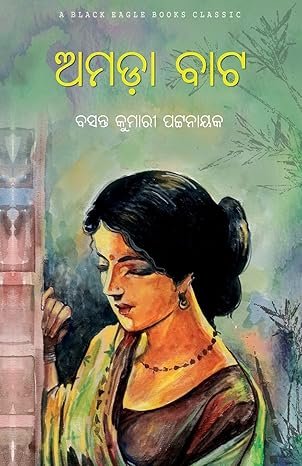
Amada Bata
₹250.00Basanta Kumari Patnaik’s much acclaimed masterpiece novel about the journey of Maya from an educated, independent, stubborn, self-sufficient, sensible girl to an obedient, traditional, mature, emotional woman. This was made to a popular feature film with the same name in 1964 starring Jharana Das in the main role.
-

Anupama
₹500.00ଉପନ୍ୟାସ କାହାଣୀର ମୁଖ୍ୟନାୟିକା ଅନୁପମା, ନାୟକ ଅନୁପମ; ଉଭୟଙ୍କ ମଧ୍ୟରେ ଶାଶ୍ୱତ ପ୍ରେମ-ପ୍ରଣୟର ପରିଭାଷା ବହନ କରୁଥିବା ଶୀର୍ଷକ ‘ଅନୁପମା’ ସତରେ ମୋ’ ସ୍ରଷ୍ଟାଜୀବନର ଏକ ଅନୁପମ ସୃଷ୍ଟି!
ଆସନ୍ତୁନା, ଅନୁପମାର ଏହି ରହସ୍ୟ- ରୋମାଞ୍ଚଭରା କଥା-କାହାଣୀ ଉପରେ ଥରେ ଆଖି ବୁଲେଇ ଆଣିବା । ବୁଲିଯିବା ସାଗରଦ୍ୱୀପର ସେହି ଲବଙ୍ଗ ବଗିଚା, ଅଳେଇଚ କୁଂଜ, ପରୀମହଲ, ରହସ୍ୟମୟ ରାଣୀହଂସପୁର । ସାଗରର ନୀଳ ଲହରୀରେ ଦୋଳିଖେଳିବା ରାଜହଂସୀର ପିଠିରେ ଝୁଲିଝୁଲି, ଝୁମିଝୁମି । ଚନ୍ଦ୍ରଭାଗାର ଚନ୍ଦ୍ରଉଦିଆ ରାତି ହାତଠାରି ଡାକୁଛି, ଡାକୁଛି ଚିତ୍ରକୋଣ୍ଡାର ଅରଣ୍ୟ ପ୍ରଦେଶରୁ ମରୁଆ ଫୁଲର ମହମହ ମହକ… ନୀଳଜହ୍ନର ଅଭିସାର ଭିତରେ ଭିଜିଭିଜି ହଜିହଜି ଖୋଜିବା ନୀଳରହସ୍ୟକୁ …. ମହୋଦଧିର ମହାସମାଧିରେ ଆହରଣ କରିବା ସେହି ଦିବ୍ୟ ଅଲୌକିକ ଆନନ୍ଦର ଚିନ୍ମୟ ସାନ୍ନିଧ୍ୟ…
ସେହି ସବୁଜବନାନୀ, ଧୂସର ଉପତ୍ୟକା, ଯେଉଁଠି ଖାଲି ପ୍ରୀତିର ବନ୍ୟା ବହୁନି; ଝରଝର ଝରି ଯାଉଛି ବାତ୍ସଲ୍ୟର ମଧୁଝରଣା । ପ୍ରଜାପତିର ରଂଗୀନ ଡେଣାରେ ଡେଣାରେ କଉ ରୂପବତୀ ଖାସ୍ ରୂପ ସାଜୁନି, କୋକିଳର କଅଁଳ କୁହୁରେ ବାଜି ଉଠୁନି ମିଳନର ମୋହନ ମୁରଲୀ…
…ଏଠି ଶୃଂଗାର ବି ପାଲଟି ଯାଉଛି ଅଂଗାର ପ୍ରତାରଣାର ଆବରଣ ତଳେ ପ୍ରୀତି ପ୍ରତିଶ୍ରୁତିଟିଏ!
—-ଭଗବାନ ବେହେରା
-

Anupama Priyatama
₹250.00ଗୌରାଙ୍ଗ, କହିପାରିବ ଭଗବାନ କେଉ଼ଁଠି ଅଛନ୍ତି?
ସ୍ବାମୀଜୀଙ୍କ ପ୍ରଶ୍ନରେ ଚମକି ପଡିଲା ଗୌରାଙ୍ଗ। ଭଗବାନ ମନ୍ଦିର ଓ ମଠରେ ନାହାନ୍ତି, ଏ କଥା ମୁଁ ଜାଣେ। କାଠ ଓ ଶାଳଗ୍ରାମରେ ଭଗବାନ ଥିଲେ ସେ ସମସ୍ତଙ୍କର ପ୍ରାପ୍ୟ ହୋଇଯିବେ। ପର୍ବତ କି ଅରଣ୍ୟର ନିରୋଳା ସ୍ଥାନରେ ସେ ଲଭ୍ୟ ହେଉଥିଲେ ସବୁ ଦୁଃଖୀ ଆତ୍ମାମାନେ ସେ ସ୍ଥଳରେ ଏକତ୍ରିତ ହୋଇ ଯାଆନ୍ତେ। ହୋହାଲ୍ଲା ହୋଇଯାଆନ୍ତା ସେ ସ୍ଥାନର ଚିତ୍ର।
ମନ୍ଦିରରେ ଅଧିଆ ପଡ଼ିଲେ, ବ୍ରତ ଉପବାସ କଲେ ମିଳେ କଣ? କିଛି ନାଇଁ। ଏମିତି ସଂଶୟାଚ୍ଛନ୍ନ ଗୌରାଙ୍ଗ କାହାକୁ କିଛି ନକହି, ଦିନେ ଗାଁ ଓ ଘରଦ୍ୱାର ଛାଡ଼ିଦେଇ ମହର୍ଷି ଆଶ୍ରମରେ ପହଞ୍ଚି ଗଲା। କିନ୍ତୁ ଆଶ୍ରମରେ ସେ ଯେଉଁ ଅପୂର୍ବ ସୁନ୍ଦରୀ ତରୁଣୀକୁ ଭେଟିଲା ସେଥିରେ ତାର ହୋସ୍ ଉଡିଗଲା। ସେ ଲଣ୍ଡିତ ମସ୍ତକ ସନ୍ୟାସ ଜୀବନ ଯାପନ କରିବ ନା ତରୁଣୀକୁ ନେଇ ଆରାବଳୀ ପର୍ବତ ଅଭିମୁଖେ ଫେରାର ହୋଇଯିବ?
ପଢି ଚାଲନ୍ତୁ ରମେଶ ପଟ୍ଟନାୟକଙ୍କ ଉପନ୍ୟାସ ଅନୁପମା ପ୍ରିୟତମା । ଏକ ନିଶ୍ବାସରେ ସାରିଦେବେ ଗୌରାଙ୍ଗ ଓ ଅନୁପମା ଜୀବନର ଗୋପନୀୟ କଥା । ଶ୍ରୀ ପଟ୍ଟନାୟକଙ୍କ ଏ ସଦ୍ୟତମ ରୋମାଞ୍ଚକର ଉପନ୍ୟାସରେ ଅଛି ଏକ ଦୁଃସାହସିକ ଅପାରମ୍ପରିକ ମନୋରଞ୍ଜନର କାହାଣୀ ।
ଏହା ସମସ୍ତଙ୍କ ଜୀବନରେ ଘଟିଥିବା ହାରଜିତର ବ୍ୟକ୍ତିଗତ ଅନୁଭବର କଥା।
-

Babbit
₹500.00Babbitt (1922), by Sinclair Lewis, is a satirical novel about American culture and society that critiques the vacuity of middle class life and the social pressure toward conformity. The controversy provoked by Babbitt was influential in the decision to award the Nobel Prize in Literature to Lewis in 1930.
The word “Babbitt” entered the English language as a “person and especially a business or professional man who conforms unthinkingly to prevailing middle-class standards”.
After the social instability and sharp economic depression that followed World War I, many Americans in the 1920s saw business and city growth as foundations for stability. The civic boosters and self-made men of the middle-class represented particularly American depictions of success, at a time when the promotion of the American identity was crucial in the face of rising fears of Communism. At the same time, growing Midwestern cities, usually associated with mass production and the emergence of a consumer society, were also seen as emblems of American progress. George F. Babbitt, the novel’s main character, was described by the 1930 Nobel Prize committee as “the ideal of an American popular hero of the middle-class. The relativity of business morals as well as private rules of conduct is for him an accepted article of faith, and without hesitation he considers it God’s purpose that man should work, increase his income, and enjoy modern improvements.”
Although many other popular novelists writing at the time of Babbitt’s publication depict the “Roaring Twenties” as an era of social change and disillusionment with material culture, modern scholars argue that Lewis was not himself a member of the “lost generation” of younger writers like Ernest Hemingway or F. Scott Fitzgerald. Instead, he was influenced by the Progressive Era; and changes in the American identity that accompanied the country’s rapid urbanization, technological growth, industrialization, and the closing of the frontier. Although the Progressive Era had built a protective barrier around the upstanding American businessman, one literary scholar wrote that “Lewis was fortunate enough to come on the scene just as the emperor’s clothes were disappearing.” Lewis has been compared to many authors, writing before and after the publication of Babbitt, who made similar criticisms of the middle class. Although it was published in 1899, long before Babbitt, Thorstein Veblen’s The Theory of the Leisure Class, which critiqued consumer culture and social competition at the turn of the 20th century, is an oft-cited point of comparison. Written decades later, in 1950, David Riesman’s The Lonely Crowd has also been compared to Lewis’s writings. (wikipedia.org)
-
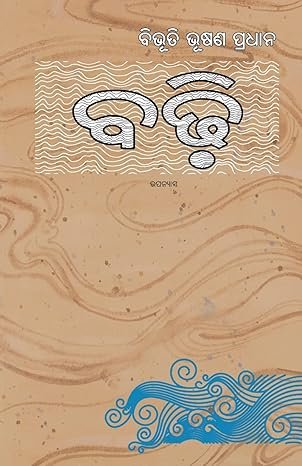
Badhi
₹170.00ନରାଜ ଡେଇଁଲେ ମହାନଦୀ ଯେମିତି ଖିଆଲୀ, ତା’ର ନେଟ୍]ୱାର୍କ ବି ସେମିତି ବିଚିତ୍ର । କେନ୍ଦ୍ରାପଡ଼ା ଜିଲ୍ଲାର ଦାନପୁର ପାଖରୁ ମହାନଦୀର ଏକ ପ୍ରଶାଖା ଲୁଣାନଈରୁ କରାଣ୍ଡିଆ ବାହାରି କଳପଡ଼ା ପାଖରେ ପୁଣି ମିଶିଯାଇଛି । ମଝିରେ ତେରଖଣ୍ଡ ଧୋଇୟା ଗାଁର ସବୁଜ ମାନଚିତ୍ର । ତାଆରି ଭିତରୁ ସବା ତଳମୁଣ୍ଡ ଗାଁରେ ହେତୁ ପାଇଲା ଦିନୁ ମୁଁ ପ୍ରତିବର୍ଷ ଦେଖିଛି ବନ୍ୟାର ଭୀମକାନ୍ତ ରୂପ ।
ହଁ; ଭୀମକାନ୍ତ ହିଁ । ଅଜସ୍ର ଫେଣ ଚବକେଇ, ଭଉଁରୀ କାଟି ବନ୍ୟା ଯେତେବେଳେ ଆସେ, ଆସେ ସ୍ପର୍ଦ୍ଧିତ ଆବେଗରେ । ମୋତେ ଲାଗେ, ଜଙ୍ଗଲର ରାଜାଧିରାଜ ପାରିଧିରେ ବିଜେ କରୁଛି । ମୁଁ ମୁଗ୍ଧ ଦୃଷ୍ଟିରେ ତାକୁ ଚାହିଁ ରୁହେ । ପୁଣି ଅଜସ୍ର ଜଞ୍ଜାଳ ପଛରେ ପକେଇ ବନ୍ୟା ଯେତେବେଳେ ଛାଡ଼ି ଯାଏ ନଈର ଝାଉଁଳା ମୁହଁ ଦିଶେ ମଲାଜହ୍ନ ପରି ପାଂଶୁଳ ।
ଗତବର୍ଷର ମହାପ୍ଳାବନ ଛତିଶଗଡ଼ରେ ବସି ଟି.ଭି.ରେ ଦେଖିଲା ବେଳେ, ମୋତେ ଲାଗୁଥିଲା, ମୁଁ ଠିଆ ହୋଇଛି କରାଣ୍ଡିଆ ନଈ ଅତଡ଼ା ଦାଢ଼ରେ । ମୋ’ ଆଗରେ କରାଣ୍ଡିଆର ଅତଳସ୍ପର୍ଶୀ ନୀଳ ଡଅଁର । ପୀତାମ୍ବର ବାବୁ ଏଥର ଉପନ୍ୟାସ ପାଇଁ ଅନୁରୋଧ କଲାବେଳେ ସେହି ଡଅଁର ବୋଧେ ମୋତେ ବାଧ୍ୟ କରି ଟାଣି ନେଇଛି ‘ବଢ଼ି’ ଆଡ଼େ । ନହେଲେ ପ୍ରକୃତ ଯୋଜନା ଥିଲା ଅନ୍ୟ ଉପନ୍ୟାସ ପାଇଁ । ଆଉଥରେ ବି ଲେଖିଥିଲି, ବାଘେଇ ଘାଟ କଥା, ବାଲିଘାଇ ଗାଁ କଥା । ବହୁ କୌତୂହଳୀ ପାଠକ ସେତେବେଳେ ପଚାରିଥିଲେ, ବାଘେଇ କେଉଁଠି, କେଉଁଠି ବାଲିଘାଇ?
କଟକ ତଳହଟୀ ସବୁ ଘାଟ ତ ମୋତେ ଦିଶନ୍ତି ବାଘେଇ ଘାଟ ପରି । ସବୁ ଗାଁ ଲାଗନ୍ତି ବାଲିଘାଇ….ବାଲିଘାଇ….ମୁଁ ଏବେ କରିବି କଅଣ! ଇଏ ସେଇ ଧୋଇୟା ଗାଁର ଗପ ।
-
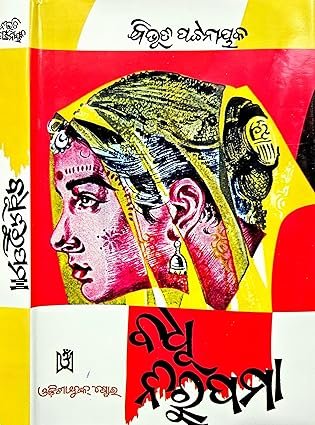
Badhu Nirupama
₹459.00Badhu Nirupama – Odia Novel by Bibhuti Pattnaik | Classic Literary Fiction | Odia Sahitya Book Highlights: Authored by Bibhuti Pattnaik, a leading name in Odia literary circles A timeless piece of Odia fiction exploring family and social dynamics Written in lucid, literary Odia suitable for all readers Published by Odisha Book Store, known for quality Odia publications Why This Book: Essential reading for lovers of Odia literature Suitable for students of Odia Sahitya and civil service aspirants A valuable addition to any regional literature collection