-
 ₹300.00
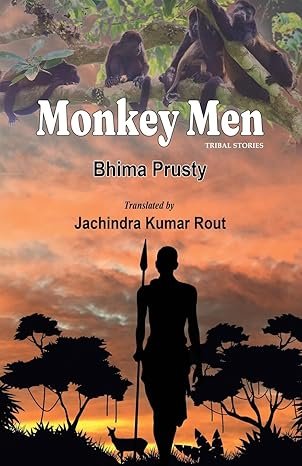
The tribal lives are to be die out. What appears, after someday, this tribe will remain as a word in future. One day, this vast and the ancient tribal inhabitant will efface. Most of us have not seen this inhabitant this is about to efface, they are only heard like a story by the people of city dwellers. They are assessed by very few people those who have come upon them in person. It is very rare people don’t know the reason why they prefer to reside in dense forest amidst the rill, hills. Some outsiders, they prefer to stay with them in spite of unfavourable condition for different intentions. Particularly, the stay there temporarily for preparing the film, documentary and research etc. Many things have been prepared on them. I, myself involved with the tribals of Koraput, Kalahandi, Kandhamal district of Odisha since two decades. A kind of intimacy has spontaneously been developed among them during my stay with them along with the social activists and organisers in their tribes. I have extended my co-operation and dedicated times for the awareness of the tribes against the multinational companies and made them conscious to fight for their land water forest and hills. I have travelled from forest to forest, village to village on feet to carry out the work success. People those who have lost their lives in that fighting, some pillars were constructed in their memory. When the tribals could not able to continue the spirit or fighting, at last they surrender their lands to the company and displaced with compensation from the land of their ancestors and move to other states for their livelihood. Due to owners outrage, many of them are migrating to neighbour states as daily wagers. There, they are exploited and forced to do excess labour and died of malnutrition, diseased and without food. On the otherhand, some religious fundamentalists have kept themselves busy in converting them into their religion. The regular and continuous conflict in between the tribal and non-tribals have compelled them to leave the place for ever, as a result of which these people are bound to live in town and city as daily wagers by leaving their permanent residence. It is seen, some organisers take initiative for the Boarding, lodging, education of tribal children with the funding of foreigners. In later period, the same tribal children being educated in modern city style forget all about their own culture and tradition. There is no end of suffering and exploitation of the tribal people because the landlords and zamindars were exploiting them in pre independent era and now the politicians and the wine dealers are doing the same job as before. It is only time has been changed, but there is no compromising in suffering and exploitation. These tribe lover tribals have been suffering and affected due to mismanagement of administration and they search for a rejected place to build their huts to earn their livelihood in town and city. The same sorts of fear, instability and no alternative are seen among tribals like the people of city. The long-preserved forest, hill and lands of the tribals have lost their identity and existence. There is continuous process of digging of mines and deforestation is going on uninterrupted. The social activists have made the tribals pur in the chess board of income.
Many innocent tribals are sacrificed in the fighting of police and Maoists. For all these reasons, the tribals are floating in the favour of displacement. The practical and real experiences that I have gained during my stay with them to realise their struggle against modern civilisation and exploitation which have inspired me to preserve these burning situations in my writings, particularly, their culture, tradition and live style and struggle and displacement are the main sources and elements for the theme of my writings will remain as the records for these tribal people. – Prof. Bhima Prusty
-
-
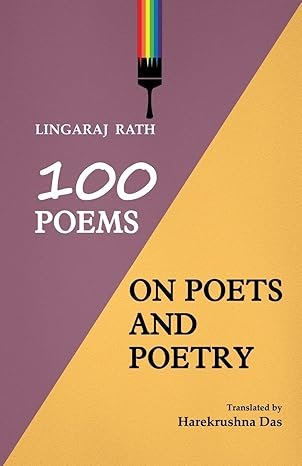
100 Poems on Poets and Poetry
₹200.00The poems of Lingaraj Rath offer an insight into the multidimensional workings of a poet’s complex imagination. His poems exhibit a range surprisingly wide as the globe itself. The themes the poet dwells upon are revelations of different facets of a poet’s personality. The poet is extremely laconic in his expression, but the terseness encapsulates the vision of the whole world. Most of his poems present the poet as an empathetic and sensitive human being who can feel the pain of a wounded bird, and rejoice in the divine manifestation of eternal joy in the objects of Nature. Deeply emotive with the use of carefully chosen words, Rath’s poems flow lucidly and rhythmically. They surprise the readers with the impact they create within their compact design that is almost similar to the Haikus.
“100 Poems On Poets And Poetry” is unique of its kind in so far as it consists of poems devoted entirely to the theme of “poet and poetry.” Poems of Lingaraj Rath in the original Odia language have been extremely popular among readers and critics owing to their lyrical grace, and the vision and philosophical inclination of the poet. The English rendering of the poems will surely be able to fascinate the readers, and fill their hearts with thrill and joy.
-
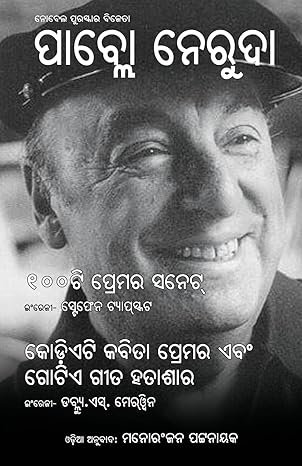
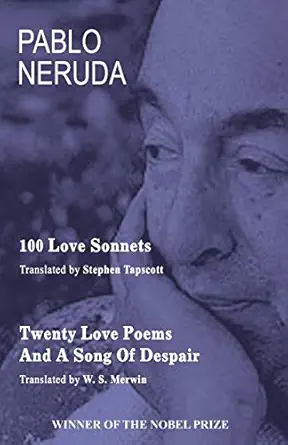
100Ti Sonnet (Pablo Neruda)
₹300.00This is the translation of Nobel Laureate Pablo Neruda’s two books: 1. 100 Love Sonnets, 2. Twenty Love Poems and A Song of Despair. This is the first Odia translation of these world bestsellers.
-
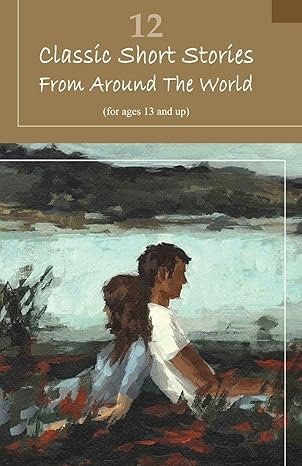
12 Classic Short Stories From Around The World
₹230.00About the Book:
This anthology has 12 classical short stories from around the world.
O. Henry’s sentimental story “The Gift of the Magi” was first published in The New York Sunday World under the title “Gifts of the Magi” on December 10, 1905 and was first published in the book form in the O. Henry Anthology “The Four Million” in April 1906.
Guy de Maupassant’s The Necklace was first published on 17 February 1884 in the French newspaper Le Gaulois.
Ambrose Bierce’s A Horseman in the sky was published on April 14, 1889 under the title The Horseman in the Sky in the Sunday edition of The Examiner, a San Francisco newspaper. It is set during the American Civil War and is one of Bierce’s best known war stories.
H.H. Munro (Saki)’s short story The Open Window was first published in the Westminster Gazette on November 18, 1911. The story was collected in the 1914 anthology Beasts and Super-Beasts.
American author Jack London’s adventure short story To Build a Fire was first published in The Youth’s Companion on May 29, 1902.
W. W. Jacobs’s supernatural short story The Monkey’s Paw was first published in England in the collection The Lady of the Barge in September 1902. In the story, three wishes are granted to the owner of The Monkey’s Paw, but the wishes come with an enormous price for interfering with fate.
Irish writer Liam O’Flaherty’s first published short story The Sniper was published in a London-based socialist weekly The New Leader on January 12, 1923. This is set during early weeks of the Irish Civil War.
Frank R. Stockton’s much anthologized short story The Lady, or the Tiger was first published in the magazine The Century in 1882. “The Lady, or the Tiger?” has entered the English language as an allegorical expression, a shorthand indication or signifier, for a problem that is unsolvable.
Richard Connell’s The Most Dangerous Game was first published in Collier’s on January 19, 1924. The story features a big-game hunter from New York City who falls off a yacht and swims to what seems to be an abandoned and isolated island in the Caribbean, where he is hunted by a Russian aristocrat. The story is inspired by the big-game hunting safaris in Africa and South America that were particularly fashionable among wealthy Americans in the 1920s.
British writer H.G. Well’s apocalyptic short story The Star was published in the Christmas number of The Graphic in 1897. This begins with astronomers observing a star approaching the solar system. They calculate it will pass close to the Earth – perhaps even collide with it. As the ‘star’ comes nearer, reaction ranges from apathy to panic. Its gravitational pull causes earthquakes, tidal waves, and the melting of the ice caps. Millions are killed, although the star eventually misses the Earth and falls into the Sun, and the remaining population begin to rebuild their lives.
Oscar Wilde’s short story The Canterville Ghost was the first of Wilde’s stories to be published, appearing in two parts in The Court and Society Review, 23 February and 2 March 1887. The story is about an American family who move to a castle haunted by the ghost of a dead nobleman, who killed his wife and was starved to death by his wife’s brothers. It has been adapted for the stage and screen several times.
Hans Christian Andersen’s short story The Last Dream of Old Oak is an endearing story for all ages. This is another excellent Christmas Story and was published first time on March 2, 1858.
-
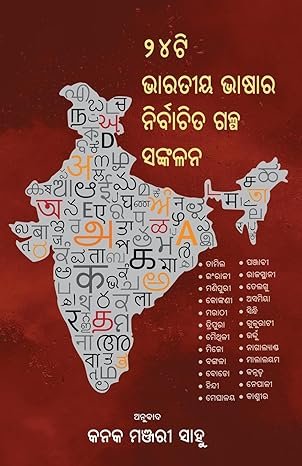
24ti Bharatiya Bhashara Nirbachita Galpa Sankalana
₹260.00ଭାରତ ଏକ ଭାଷା ବହୁଳ ଦେଶ । ପ୍ରତ୍ୟେକ ରାଜ୍ୟର ଭାଷାରେ ନିଜ ନିଜର ସ୍ୱତନ୍ତ୍ରତା ରହିଛି । ପ୍ରତ୍ୟେକଙ୍କର ସାମାଜିକ, ସାଂସ୍କୃତିକ ବୈଚିତ୍ରତା ରହିଛି । ବିଭିନ୍ନ ଭାଷାଭାଷି ଲେଖକମାନଙ୍କର ଭିନ୍ନ ଭିନ୍ନ ଚିନ୍ତାଧାରା ଥିବା ଏବଂ ସମାଜକୁ ଦିଗ୍]ଦର୍ଶନ ଦେଉଥିବା ଗଳ୍ପଗୁଡ଼ିକ ପଢ଼ି ଓଡ଼ିଆରେ ଅନୁବାଦ କରି ଆମ ପାଠକମାନଙ୍କ ପାଖରେ ପହଞ୍ଚେଇବା ମୋର ଲକ୍ଷ । ଏହାଦ୍ୱାରା ଆମ ଓଡ଼ିଆ ସାହିତ୍ୟ ବିସ୍ତୃତ ଏବଂ ସମୃଦ୍ଧ ହେବ ବୋଲି ମୋର ବିଶ୍ୱାସ । ଅନୁବାଦ ସାହତ୍ୟ ଆମର ଦୃଷ୍ଟିକୋଣ ପ୍ରସାରିତ କରିଥାଏ । ଅନ୍ୟ ଭାଷାଭାଷି ସମାଜ ଓ ସଂସ୍କୃତି ସହିତ ପରିଚିତ କରାଇଥାଏ । ତେଣୁ ମୁଁ ଅନୁବାଦ ସାହିତ୍ୟକୁ ଗୁରୁତ୍ୱ ଦେଇଥାଏ । ଏହି ପୁସ୍ତକଟିରେ ଥିବା ଗଳ୍ପଗୁଡ଼ିକ ପାଠକମାନଙ୍କୁ ଆକୃଷ୍ଟ କରିବ ବୋଲି ଆଶାକରେ । — କନକ ମଞ୍ଜରୀ ସାହୁ
-
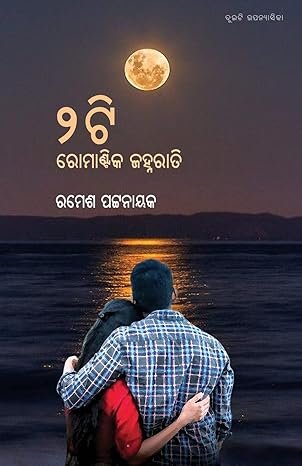
2T Romantic Janharati
₹170.00It’s a skillful presentation of two scintillating romantic stories of love and relationship compiled into one with a subtle string bordering on extra-marital from one of the leading writers and journalists of Odisha, Ramesh Patnaik.
Built upon gripping themes of emotional, spiritual and sensual conflicts under the moon, the package of twin novellas is awe-inspiring.
The presence of moon in the twin fictions is representative of the emotional state of lovers in the stories. The characters are true to their moral, spiritual and metaphysical consciousness groomed typically in Indian sub-continent.
What should catch the readers is the emotional appeal of the stories with down-to-earth delineation of characters in their queer situations. A must read and take-home book for all: 2T Romantic Janharati.
-
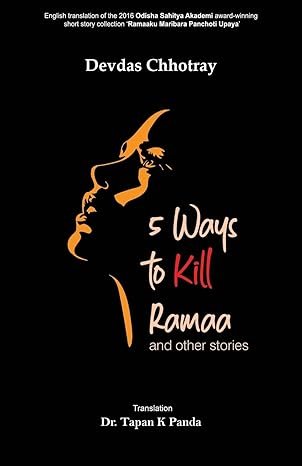
5 Ways to Kill Ramaa and Other Stories
₹250.00Fantasy and prudence are like a swing door through which imagination and creativity move without any effort. Devdas Chhotray acknowledges that the stories are tantamount to falsehood though it is perceptible at a certain point.’Five Ways to Kill Ramaa’ is a uniuqe theme of the writer playfully toying with disparate ideas to kill Ramaa. The writer builds a castle in the air and conceptualizes five different ways of doing this. Since her childhood, he has known Ramaa. Then he had frequently visited Tiku, who is Ramaa’s elder brother. She was a sloppy mess and had unkempt hair, which was covered with dandruff, and that’s the reason why her hair was shaved frequently. In his childhood, Ramaa’s living room became a place to enact the play where he and Ramaa acted like a couple and Tiku as a tutor. Ramaa draped herself with Kuni aunty’s saree, decked herself up in jewels and had put vermilion on her forehead. He fantasized about Ramaa in the same attire when he was thirteen. He still remembers when Ramaa wore a saree for the first time. She looked like a beautiful rose in her pink saree. She revealed her grandeur. She appeared like a bride, but he could never see her because, fifteen years after of this incident, she eloped with Bikas and solemnized her marriage in court.Ramaa’s attitude towards the writer was never favourable, but her first saree-draped matured figure transfigured him into a grown-up man.In Bikas and Ramaa’s story, the writer introduces the character, Bikas. Bikas’s personality enticed Ramaa, and she was put under a spell by his charm. Ramaa justified her action and, of course, succeeded in marrying Bikas. The writer was a scapegoat in this affair and witnessed their marriage. His bitterness for Bikas grew with time, and he always tried to find a way to spoil this prospering liaison.’Why to Kill Ramaa’ presents the writer’s devilish vision of slaying Ramaa. In ‘The First Attempt, ‘ the writer spilled kerosene all over the floor and lit a fire. The glass case in which Ramaa was standing was engulfed with fire. The next day he turned the newspaper’s pages, apprehending that the news might have been published but finally concluded that it was his dream but not the reality. In the second, third, fourth, and fifth attempts, the writer lists various strategies to kill Ramaa. These indicate his attitude and resentment for Ramaa.
-
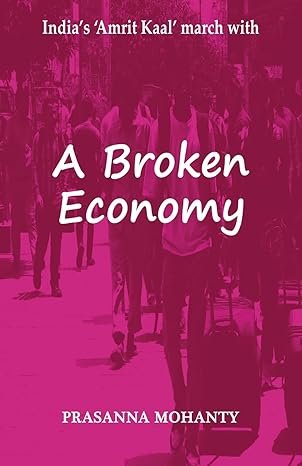
A Broken Economy
₹700.00Before the next government takes charge in New Delhi in June 2024, this collection of articles is intended to provide the harsh ground realities of the economy with the hope that some corrective measures would be taken. The articles start after Prime Minister Narendra Modi declared that India had entered into “Amrit Kaal”, in 2021, and was marching towards “Viksit Bharat @2047”, in 2022. While nobody knows what “Amrit Kaal” stands for, the vision, goals and roadmaps for “Viksit Bharat @2047” are likely to be spelt out in the first 100 days after the new government takes charge, assuming as does the Modi government that its mandate would be renewed for a straight third term.
These articles pierce through the fog of incessant rhetoric of a glorious dawn and a glorious future – using both official statistics and other credible evidence. They seek to answer many unanswered questions and unravel mysteries behind policies and practices, covering a wide spectrum – from statistical system to growth, employment, gig economy, poverty, hunger, inequality, household finances, agriculture, industry, services, trade, private capex, corporate governance, banking, insolvency and bankruptcy code, privatisation, stock market, taxation, environmental governance, genetically modified (GM) food, freebies/ welfarism, caste, data privacy etc. Some also track global economic developments.
-
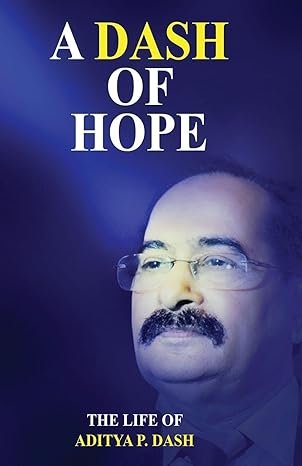
A Dash of Hope: The Life of Aditya P. Dash
₹900.00In addition to his work in public health, Dr Dash served as Vice Chancellor of the Central University of Tamil Nadu and the Asian Institute of Public Health University, significantly contributing to education and research. Leading five national laboratories and two universities is no easy task, but his leadership and perseverance made it possible. This book provides his candid reflections on the challenges he faced in higher education and research in India. His insights and experiences navigating these obstacles make it an essential read for anyone interested in the field.
-
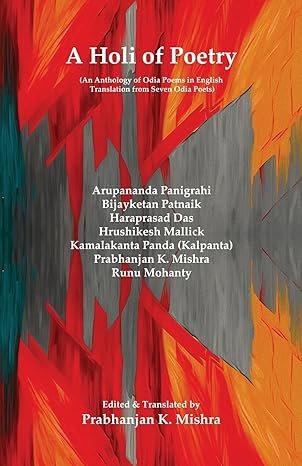
A Holi of Poetry
₹300.00Holi is the festival of colors for Indians. It is celebrated by smearing or splashing colors on one’s dear ones, transforming the everyday world into a brilliantly-hued, vibrant one. Here are seven poets of the Odia literary world, writing and celebrating as if with colors of the Rainbow that the readers would find highly enjoyable and evocable. These poets are of a highly evolved class, having practiced the sacred art form of poetry with admirable and unique styles. Their poems are no doubt a platter spanning, in general, the landscape of Odia poetry, offering its sublime rasas (aesthetics and tastes) and bhavas (expression). Only seven Odia poets were considered for this volume for various limiting factors. The first and foremost reason is the constraint of space that the publishers impose. The second and the most important one is they write very contemporary genres, shifted from the conventional styles, representing an inner world of Odia mind.
Poets included are: Arupananda Panigrahi, Bijayketan Patnaik, Haraprasad Das, Hrushikesh Mallick, Kamalakanta Panda (Kalpanta), Prabhanjan K. Mishra, Runu Mohanty.
-
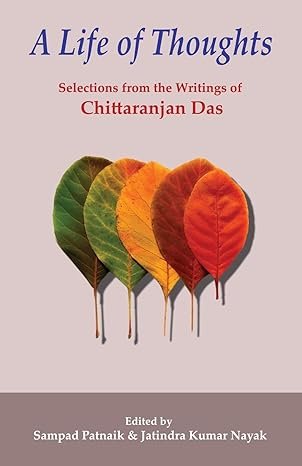
A LIFE OF THOUGHTS: Selections from the Writings of Chittaranjan Das
₹350.00The volume presents a selection from the translated writtings of Chittaranjan Das (1923-2011). These essays introduce the reader to an extraordinary adventure in the realm of ideas and an exceptional human being who ceaselessly experimented with new ways of experiencing the world and of thinking about it.
Translators include Ananta Kumar Giri, Anjali Sahoo, Anuja Khatua, Ashim Sabat, Aurobindo Behera, Bijaya Kumar Nanda, Birendra Kumar Nayak, Biswajit Apat, Braja Mohan Mishra, Dinesh Prasad Pattanayak, Guru Charan Behera, Janmejay Dwivedi, Jayanta Biswal, Kalidas Misra, Rabindra Kumar Swain, Sangram Jena, Santosh Kumar Mishra, Satyananda Swain and Urmishree Bedamatta.