-
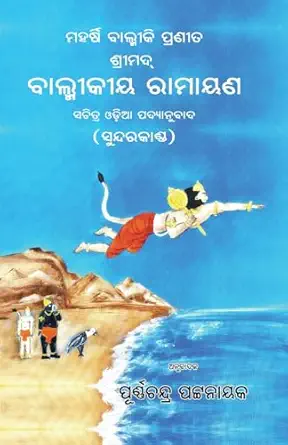
Shrimad Balmikiya Ramayan: Sundarakand: Sundarkand
₹400.00ମୋ ବାପା ଶ୍ରୀ ପୂର୍ଣ୍ଣଚନ୍ଦ୍ର ପଟ୍ଟନାୟକ ମହର୍ଷୀ ବାଲ୍ମୀକିଙ୍କର ପ୍ରଣୀତ ସାତଖଣ୍ଡ ରାମାୟଣକୁ ଓଡ଼ିଆରେ ପଦ୍ୟାନୁବାଦ କରିଥିଲେ । କେବଳ ବାଳକାଣ୍ଡକୁ ୧୯୮୮ ମସିହାରେ ପ୍ରକାଶ କରିଥିଲେ ।
ବହୁ କାରଣ ସକାଶେ ଏ ପର୍ଯ୍ୟନ୍ତ ଅନ୍ୟ ୬ କାଣ୍ଡ ପ୍ରକାଶ ହୋଇପାରିନାହିଁ । ଇତିମଧ୍ୟରେ ଅଯୋଧ୍ୟାରେ ନୂତନ ଭବ୍ୟ ଶ୍ରୀରାମ ମନ୍ଦିର ନିର୍ମାଣ ଓ ପ୍ରାଣ ପ୍ରତିଷ୍ଠା ସମ୍ପୂର୍ଣ୍ଣ ହୋଇଯାଇଛି । ବାପା ଲେଖିଥିବା ସୁନ୍ଦରକାଣ୍ଡ ପାଣ୍ଡୁଲିପି ଏହି ବର୍ଷ ରାମ ନବମୀ ତିଥିରେ ବ୍ଲାକ ଈଗଲ ବୁକ୍ସ ଦ୍ୱାରା ପୁସ୍ତକ ଆକାରରେ ପ୍ରକାଶିତ ହେବାକୁ ଯାଉଅଛି ।
ମୋର ମନେପଡ଼େ ବାପା ସପରିବାର ତାଙ୍କର ଗ୍ରାମ ଦାଧିମାଛଗାଡ଼ିଆକୁ ଖରାଛୁଟିରେ ରାମଲୀଳା ଦେଖିବାକୁ ଓଡ଼ିଶାର ବିଭିନ୍ନ ଯାଗାରୁ ଆସୁଥିଲେ । ବାପା ସତ୍ୟମାର୍ଗରେ ଏକ ରାମ ରାଜ୍ୟରେ ପ୍ରଜାମାନେ ଜୀବନଯାପନ କରିବା ବିଶ୍ୱାସ କରୁଥିଲେ । ତାଙ୍କ ଜୀବନ କାଳରେ ସେ ଶ୍ରୀରାମଙ୍କ ଦ୍ୱାରା ବିଶେଷ ଭାବରେ ପ୍ରଭାବିତ ହୋଇଥିଲେ । ସେ ବିଶ୍ୱାସ କରୁଥିଲେ ଯେ ଶ୍ରୀରାମଙ୍କ ସାମ୍ରାଜ୍ୟ ସମଗ୍ର ଭାରତୀୟ ଉପଦ୍ୱୀପରେ ବିସ୍ତାର କରିଥିଲା । ସେ ରାମ ଶାସନ କରିଥିବା ଯାଗାଗୁଡ଼ିକର ଏକ ହାତଟଣା ନମୁନା ମାନଚିତ୍ର ତିଆର କରି ଏକ ସଠିକ ମାନଚିତ୍ର ପାଇଁ ପାଠକମାନଙ୍କୁ ଆମନ୍ତ୍ରଣ କରିଥିଲେ । ବାଳକାଣ୍ଡର ଅଗ୍ରଭାଗରେ ସେ ନିଜ ବିଷୟରେ, ସତ୍ୟ ଆଉ ରାମଭକ୍ତି ଉପରେ ପ୍ରାଞ୍ଜଳ ଭାବେ ନିଜର ମତ ପ୍ରକାଶ କରିଛନ୍ତି । ତାହାକୁ ଏଠାରେ ତଦ୍]ରୂପ ଉଦ୍ଧୃତ କରିବାକୁ ଉଚିତ ମନେକଲି ।
ଆଶାକରେ ଓଡ଼ିଆ ପାଠକବୃନ୍ଦ ସୁନ୍ଦରକାଣ୍ଡ ପୁସ୍ତକକୁ ସାଦରେ ଗ୍ରହଣ କରିବେ । ମୋ ମାତୃଭାଷା ଓଡ଼ିଆ ହୋଇଥିଲେ ମଧ୍ୟ ବିଭିନ୍ନ କାରଣ ଯୋଗୁଁ କେତେକ ତ୍ରୁଟି ପୁସ୍ତକରେ ରହିଯାଇ ଥାଇପାରେ । ସେଗୁଡ଼ିକୁ ପାଠକେ ପ୍ରକାଶକକୁ ଅବଗତ କରିବା ପାଇଁ ଅନୁରୋଧ କରୁଅଛି ।
– ଦେବନାରାୟଣ ପଟ୍ଟନାୟକ
-
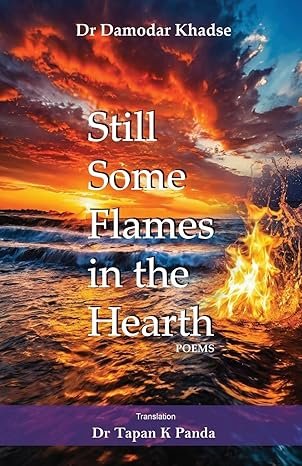
Still Some Flames in the Hearth
₹200.00In this frozen time
the cold freezes the words,
Icy winds extinguish…
all flames,
eyes turn into stone!
Vision is blurred,
Identity is lost,
the freezing hands,
devoid of warmth,
the tongue sticks to the palate,
arrows and spears dissolve
in the winds,
Ice sheets spread out
on relationships,
everything gets frozen within,
no one is visible….
But when human smell hovers
in the deep forests,
a call-out searches for its other end.
With difficulty when one can speak,
someone blows the flames from the hearth,
with closed eyes,
I sit down in front of the hearth,
and think about the conversations,
the flames rise slowly from the hearth.
You drop the silence,
Break your quietude,
In the warmth of the conversations,
the flames always glow in the hearth.
Don’t be wordless ever.
There is still some flame in the hearth.
-
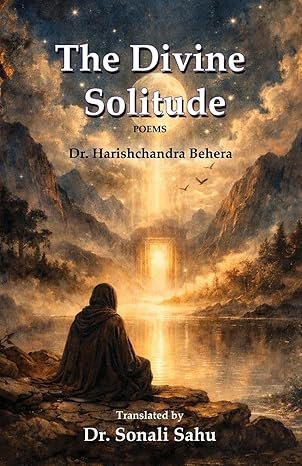
The Divine Solitude
₹350.00The Divine Solitudeis the English transcreation of “Aparthiba Nirjanata” by Dr. Harishchandra Behera, a celebrated voice in Odia poetry whose work moves effortlessly between myth and lived reality, devotion and dissent, intimacy and vastness. Translating these poems has been less an act of linguistic transfer and more a journey of listening-listening to silences, pauses, symbols, and the emotional undertow that carries the poem beyond words.
The poems gathered here inhabit a space where the earthly and the divine overlap: rivers remember motherhood, boats become lives, feet turn into lotuses, and solitude itself acquires a sacred resonance. Mythological figures-Rama, Ahalya, Vishwamitra, the ferryman, the flute of the Kadamba grove-are not distant icons but breathing presences, entering daily life, desire, doubt, and ethical questioning. This poetry does not merely retell myth; it interrogates it, softens it, humanizes it.
-
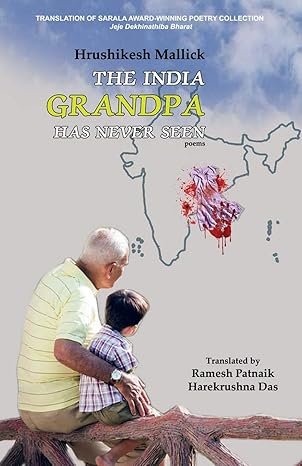
The India Grandpa Has Never Seen
₹250.00The India Grandpa Has Never Seen is the translation of the poet’s Jeje Dekhinathiba Bharat which won him the prestigious Sarala Award. Rich in romantic essence that transports the readers into our pastoral origins in which modern India is deeply entrenched, this collection has finely crafted poems. The poet essays to explore through poetry the spirit of Mother India that reminds its children of the core values for which the geo-political map stands as a mute testimony. The scheme of symbolism the poet adopts is intricate because of the ethnic quality he invests in the emotions through agrarian imagery. The rural rituals, customs and myths surrounding poverty in the countryside is peculiarly Indian. The portrait of India in terms of its emotions encompassing the quality of life and the degeneration of human values in the hands of a chosen few is awe-inspiring.
-
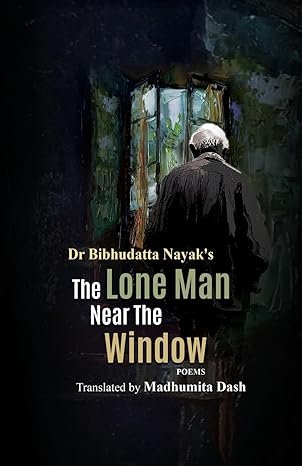
The Lone Man Near the Window
₹250.00This book, The Lone Man Near the Window, is like an identity to the experiences of a keen family person in his/her lonesome moments. It is not only about the poet’s life, lessons, thoughts rather an extension of you, me and all sensitive persons who in real face, feel and resemble such phases narrated in each individual poetry.This piece of art can’t be absorbed by an one go reading. Though it is adorned with very simple words yet has deep impacting topics orchestrated with word senses and harmony.The concept and the purpose of the book can’t be gulped down in a single reading. To understand the seamless process, one has to live each and every philosophy coated in words. The original book by revered Poet Dr. Bibhudatta Nayak is literally an experience manual which describes the tit bits of life tools. It enlists the ingredients and principles of life which make our lives sweet, sour, annoying, energetic, challenging, emotional, decisive, philosophical at times. Most of the experiences of daily chores in this mundane world have given a euphonious shape of distinct poetry in this book.
-
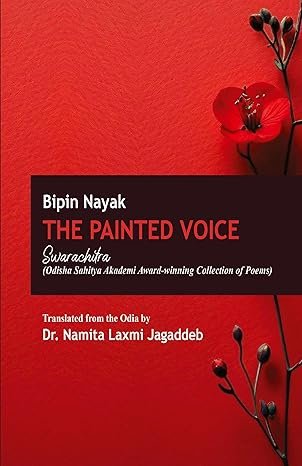
The Painted Voice
₹250.00The kaleidoscopic earth and sky saturated with colours, sounds and perfume, are packed into his capsule-like poems ever glittering, humming, exuding sweet fragrance. However, one can’t help noticing an elegiac tune thrumming at the heart of the poems, of some intimacy found and lost, some moments of togetherness gone with the wind, a longing for renewal of life in love beyond time and space. Many of the poems testify to an aching heart seeking the healing balm from the benign Nature. That is why, perhaps, the poet sings with birds, yet grieves at a falling one; smiles with budding blooms; grieves at the wilting ones; rejoices at a quiet dawn propping a young sun. He too longs to offer his life to the fire of love, to lose the self to win liberation. All these speak volumes for the mind and heart that shaped the poems. Some are earthy, some skyiee, heavenly and some are exquisite fusion of both.
-
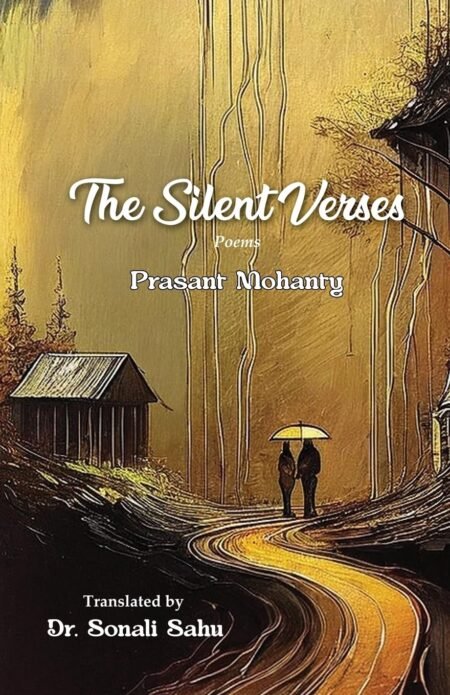
The Silent Verses
₹225.00This book, a collection of fifty-five love duets, is more than just poetry-it is a tender, soul-stirring dialogue between two lovers, echoing their unspoken desires, silent aches, and passionate union.
Each verse, delicately carved, is drenched in emotion-ranging from yearning and surrender to spiritual oneness. As I translated these stanzas, I found myself not just interpreting words, but breathing into them the rhythm of another language, while striving to preserve their original fragrance.
The lovers in these verses transcend time and tradition, defy norms, and dissolve boundaries. Their intimacy is woven not merely through the physical, but through the metaphysical-through moonlight, memory, fire, rivers, and silence. They speak to each other through sensations, through metaphors, and often, through silence louder than sound.
-

United Kingdom ra kabimanankara kabita
₹325.00ଇଂରେଜୀ ଭାଷାର ଇତିହାସରେ, ପୁରୁଣା ଇଂରେଜୀ ସାହିତ୍ୟ (ପ୍ରାୟ ୪୫୦-୧୦୬୬), ମଧ୍ୟ ଇଂରେଜୀ ସାହିତ୍ୟ (୧୦୬୬-୧୫୦୦) ଏବଂ ଇଂରେଜୀ ପୁନର୍ଜାଗରଣ (୧୫୦୦-୧୬୬୦) ତାପରେ ରହିଛି ପୁନର୍ସ୍ଥାପନା ଯୁଗ (୧୬୬୦-୧୭୦୦), ଅଷ୍ଟାଦଶ ଶତାବ୍ଦୀ, ସ୍ୱଚ୍ଛଳତାବାଦ (୧୭୯୮-୧୮୩୭), ଭିକ୍ଟୋରିୟାନ ସାହିତ୍ୟ (୧୮୩୭-୧୯୦୧), ବିଂଶ ଶତାବ୍ଦୀ ଏବଂ ଏକବିଂଶ ଶତାବ୍ଦୀ।
ଏଥିରେ ୬୧ଜଣ କବିଙ୍କର ୧୪୬ଟି ଅନୂଦିତ କବିତା ସନ୍ନିବିଷ୍ଟ ହୋଇଛି। ପ୍ରତ୍ୟେକ କବିଙ୍କର ପରିଚିତ କବିତା ସନ୍ନିବିଷ୍ଟ ହୋଇଛି। ପ୍ରତ୍ୟେକ କବିଙ୍କର ପରିଚିତି ମଧ୍ୟ ଦିଆଯାଇଛି।
-
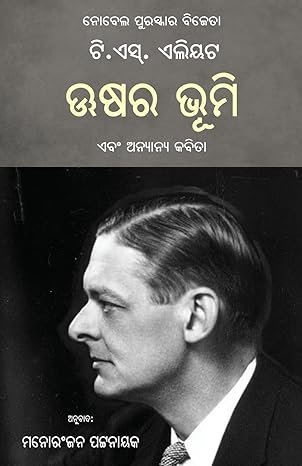
Ushara Bhumi Ebam Anyanya Kabita (TS Eliot)
₹300.00ଓଡ଼ିଆ ହେଉଛି ପ୍ରଥମ ଭାରତୀୟ ଭାଷା ଯେଉଁଥିରେ ପ୍ରଥମେ ଏହା ଅନୁବାଦ କରାଯାଇଥିଲା। ଇଣ୍ଟରନେଟ୍]ରୁ ଦେଖିକରି ଏହା ସ୍ପଷ୍ଟ ହୁଏ ଯେ ୧୯୫୬ ମସିହାରେ, ପ୍ରଶଂସିତ କବି ଓ ଔପନ୍ୟାସିକ ଜ୍ଞାନୀନ୍ଦ୍ର ବର୍ମା ଟି.ଏସ୍].ଏଲିୟଟଙ୍କର ମହାନ ରଚନା ‘ଦି ୱେଷ୍ଟ ଲ୍ୟାଣ୍ଡ’ ସହିତ ଅନ୍ୟ କିଛି କବିତାର ଅନୁବାଦ ସଂଲଗ୍ନ କରି ‘ପୋଡ଼ା ଭୂଇଁ ଓ ଅନ୍ୟାନ୍ୟ କବିତା’ ଶୀର୍ଷକରେ ଅନୁବାଦ କରିଥିଲେ, ଯାହା ପ୍ରଫୁଲ୍ଲଚନ୍ଦ୍ର ଦାସଙ୍କ ଦ୍ୱାରା ପ୍ରକାଶିତ ହୋଇଥିଲା। ଦାସ ଅନୁବାଦ ସମ୍ପର୍କରେ ଏଲିୟଟଙ୍କ ସହିତ ପତ୍ରାଳାପ କରିଥିଲେ ଏବଂ ତାଙ୍କ ସମ୍ମତିରେ ସିଏ ଜ୍ଞାନୀନ୍ଦ୍ର ବର୍ମାଙ୍କୁ ଏଲିୟଟଙ୍କର ପ୍ରମୁଖ କବିତାଗୁଡ଼ିକୁ ଅନୁବାଦ କରିବାକୁ ପ୍ରେରଣା ଦେଇଥିଲେ। ସମସ୍ତ ସମ୍ଭାବନାରେ, ସିଏ ଅନ୍ୟ ଭାରତୀୟ ଭାଷାରେ ଏହାର ଅନୁବାଦ ପାଇଁ କପିରାଇଟ୍ ଅନୁମତି ମଧ୍ୟ ପାଇଥିଲେ। କିନ୍ତୁ ଏହି ପୁସ୍ତକଟି ଏବେ ଉପଲବ୍ଧ ନ ଥିବାରୁ କେତୋଟି କବିତା ଆଉ କେଉଁ କେଉଁ କବିତା ଜ୍ଞାନୀନ୍ଦ୍ର ବର୍ମାଙ୍କ ଦ୍ୱାରା ଅନୂଦିତ ହୋଇ ପ୍ରକାଶ ପାଇଥିଲା, ତାହା ଜଣା ପଡ଼େନି।
୧୯୫୬ ମସିହାରେ ଏହା ଜ୍ଞାନୀନ୍ଦ୍ର ବର୍ମାଙ୍କ ଦ୍ୱାରା ଓଡ଼ିଆରେ ଅନୂଦିତ ହୋଇଥିଲା, ତେବେ ଏହା ପ୍ରକାଶ ପାଇଥିଲା ୧୯୫୭ ମସିହାରେ, ଅର୍ଥାତ୍ ଏହାକୁ ନୋବେଲ୍ ପୁରସ୍କାର ପ୍ରାପ୍ତ ହେବାର ୯ବର୍ଷ ପରେ। ପୁଣି ୨୦୧୯ ମସିହାରେ ଓଡ଼ିଆରେ ଦ୍ୱିତୀୟ ଅନୁବାଦ ପ୍ରକାଶ ପାଇଲା ‘ତ୍ୟକ୍ତ ଉପତ୍ୟକା ଏବଂ ଅନ୍ୟାନ୍ୟ କବିତା’ ନାମରେ ଦତ୍ତାତ୍ରୟ ଦାଶଙ୍କ ଦ୍ୱାରା ଅନୂଦିତ ହୋଇ। ଏଥିରେ ଅନ୍ୟାନ୍ୟ କବିତା ବିଭାଗରେ ମାତ୍ର ୨ଟି କବିତା ରହିଛି।
ମୋ ଦ୍ୱାରା ଓଡ଼ିଆରେ ଅନୁବାଦ କରାଯାଇଥିବା ଏହି ବହିଟିର ନାମ ‘ଦି ୱେଷ୍ଟ ଲ୍ୟାଣ୍ଡ’ର ୫ଟି କବିତାର ଅନୁବାଦ ସହିତ ଅନ୍ୟାନ୍ୟ କବିତା ବିଭାଗରେ ୩୨ଟି ଅନୂଦିତ କବିତା ସ୍ଥାନ ପାଇଛି।
ମୋର ଏହି ଅନୁବାଦଟି ଯଦି ଓଡ଼ିଶାର ସୁଧୀ ପାଠକପାଠିକାମାନଙ୍କର ପସନ୍ଦ ହେବ, ତେବେ ମୋର ଶ୍ରମ ସାର୍ଥକ ହୋଇଛି ବୋଲି ମନେ କରିବି। –ଅନୁବାଦ
-
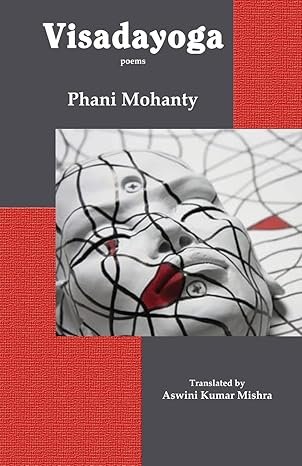
Visadayoga
₹200.00This is the first full-fledged English translation of Odia poet Dr. Phani Mohanty’s Visadayoga incorporating 38 poems published in 1992.His poems would be better if they reach prospective international readers through translations and help shaping a concrete idea on Asian writing focusing India, which naturally rolls down to Odisha. Of late many places in the world have truly become multilingual and multicultural espousing a purpose of this kind. This collection is a tenor to hold on Bhagavad Gita, the philosophy contained therein ascribing melancholy which is till now inaccessible to many. Here, many of the poems are in tune with the same having distinctive originality of their own. The poet is absorbed into the cultural milieu of the Odia race perceptively examining his creativity through it. In his poems the culture specific terms and symbols are close-packed and therefore it became strenuous for me to carry them exactly into an alien language like English. The rhythmical structure vis a vis music of the poems are no less.
-

Water and other poems
₹250.00In the twenty-six poems, interestingly there is a multimodal rebellious voice or a sort of outcry advocating for the surrounding environment that has been grossly exploited at the cost of life of millions of plants, trees, birds, animals, the five ethereal elements and the natural habitat. It has gone to such an alarming state that the cosmic powers like the sun, the moon, the seasons and all the gifts of nature have become defunct hinting at the loss of natural traits of human being and sheer destructive consequences of this artificial life. The greedy and ignorant human beings have been destroying the irrecoverable surrounding natural wealth in such a way leading to unspoken disasters. Consequentially, it searches for the dire need of water, wind, food, livelihood and many more things as a part of natural lifestyle and sustainability. What’s more, the denatured human being is in search of the aesthetic notions in every aspect of natural life. In this way, each of the poems carry in them rhetorical questions representing in fact the questions of each of us linked to our survival.
-
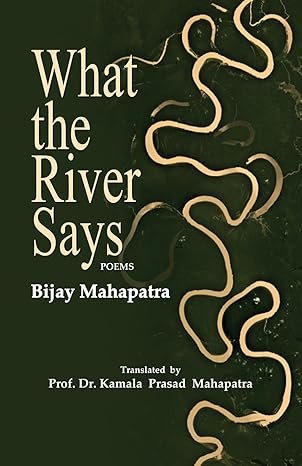
What River Saya
₹250.00Contemporary Odia Poetry, unlike Poetry in other languages of India, exhibits a character that renders it untranslatable into a host language of non-sanskritic origin. The multiple openings, the verbal imageries, the inflections and the oralities subsumed by written words, often make it a translator’s nightmare. In that sense Bijay Mahapatra is a difficult Poet to translate into English. I am delighted to see that Prof. Kamala prasad Mahapatra in rendering BM’s Poetry into English succeeds in tiding over most of the obstacles posed by the typical knots and chains in which the Poet spins his metaphor laden content, often leaving his intent shrouded, opaque or playfully half done. As a translator of repute and a Professor of English, KP knows only too well that the route to meaning in highly metaphorized poetry is bedeviled by allusions, and extrapolations not quite amenable to the discipline of the English Language. He gets over the glitz by overflying the intended, the implied and What the River Says 5 the conjectured by sticking to the literal. That in fact is the route to reach the sensory subtext of fascinatingly illusory Poetry. Our thanks are due to both, the Poet and the Translator for setting this stage for us to show how the contemporary Odia poetry functions as a site for translation.
— Haraprasad Das, Eminent Poet