-

Meghaduta (Kalidasa’s Meghadutam)
₹210.00ମହାକବି କାଳିଦାସଙ୍କ ରଚିତ ‘ମେଘଦୂତ’ ହେଉଛି ବର୍ଷାର କାବ୍ୟ । ବିଶ୍ୱକବି ରବୀନ୍ଦ୍ରନାଥ ଟାଗୋର କହନ୍ତି- “ମେଘଦୂତ ଛଡ଼ା ନବବର୍ଷାର କାବ୍ୟ ଆଉ କୌଣସି ସାହିତ୍ୟରେ କେଉଁଠି ନାହିଁ । ଏଥିରେ ବର୍ଷାର ସମସ୍ତ ଅନ୍ତର୍ବେଦନା ନିତ୍ୟକାଳର ଭାଷାରେ ଲିଖିତ ହୋଇଯାଇଛି । ପୃଥିବୀର ସାଂସରିକ ମେଘୋତ୍ସବର ଅନିର୍ବଚନୀୟ କବିତ୍ୱଗାଥା ମାନବର ଭାଷାରେ ବାନ୍ଧି ହୋଇଯାଇଛି ।”
-
Mrutyubodha: Jeebanabodha (Mahendra Bhatnagar)
₹180.00ମନୋରଂଜନ ପଟ୍ଟନାୟକ ୫୨ ବର୍ଷରୁ ଊର୍ଦ୍ଧ୍ୱ ସମୟ ଧରି ମୁମ୍ବଇରେ ରହୁଛନ୍ତି । ଏଯାଏଁ ତାଙ୍କର ୧୦ଟି ଅନୂଦିତ ପୁସ୍ତକ ପ୍ରକାଶ ପାଇଛି । ସେଗୁଡ଼ିକ ହେଲା- ‘ଓମାର କାବ୍ୟ’, ‘ମେଘଦୂତ’, ‘ଗୀତାଞ୍ଜଳି’ (ନୋବେଲ ପୁରସ୍କାର ପ୍ରାପ୍ତ), ‘ମଧୁଶାଳା’, ‘ଋତୁସଂହାର’, ‘ଓମାର ଖୈୟାମ- ରୁବାଇୟାତ’, ‘ପାବ୍ଲୋ ନେରୁଦା- ଶହେଟି ପ୍ରେମର ସନେଟ୍ ଓ ୨୦ଟି କବିତା ପ୍ରେମର ଓ ଗୋଟିଏ ଗୀତ ହତାଶାର’, ‘ଶ୍ରୀମଦ୍]ଭଗବଦ୍]ଗୀତା’, ‘ହଂସଦୂତ’, ‘ଦ୍ରଷ୍ଟା’ । ‘ମୃତ୍ୟୁବୋଧ ଜୀବନବୋଧ’ ଶ୍ରୀ ପଟ୍ଟନାୟକଙ୍କର ଏକାଦଶ ଅନୂଦିତ ପୁସ୍ତକ । ପାଠକ ପାଠିକାମାନେ ଏହାକୁ ପସନ୍ଦ କରିବେ ବୋଲି ଆଶା । ମୋ-୯୯୮୭୦୨୨୯୩୦ ।
-

My Love, My Seasons
₹200.00“My Love, My Seasons” is a collection of fifty poems of the Odia poet Shri Tapan Pattanaik, translated into English by Dr. Namita Laxmi Jagaddeb. The poems carry the poet’s leitmotif of love, loss and longing. They invariably exhibit his acute perception of a relentless Time that impedes the flow of life, love and relationship along the rotations of seasons. The poems abound with sparkling metaphors drawn from the countryside Odisha on which the poet has dispersed his agonies seeking comfort, away from the crushing force of Time. Thus, sun, moon, stars, hills, forests, lake, rivers, rains, light, shade, and many more have come alive in the poems as natural companions of the poet engaging him in intimate dialogues on love, life and the beyond. Thanks to the superb craftsmanship of the translator; she has efficiently captured the poet’s unique thoughts and feelings in an exquisitely matching diction that recreates the lyrical intensity and free flowing rhythm of the original poems.
-
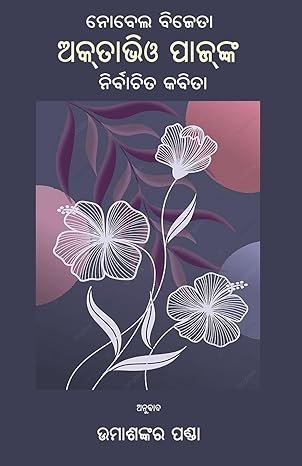
Nobel Bijeta Octavio Paz nka Nirbachita Kabita
₹220.00ଉମାଶଙ୍କର ପଣ୍ଡାଙ୍କ ଓଡ଼ିଆ ସାହିତ୍ୟଜଗତକୁ ତାଙ୍କର ଜୀବନବ୍ୟାପି ଅବଦାନ ପାଇଁ ଓଡ଼ିଶା ସାହିତ୍ୟ ଏକାଡ଼େମୀ ୨୦୦୪ ମସିହାରେ ସର୍ବୋଚ୍ଚ ଅତିବଡ଼ୀ ସମ୍ମାନରେ ସମ୍ମାନିତ କରିଥିଲା । ଏତଦ୍]ବ୍ୟତୀତ ସେ ବିଷୁବ ସମ୍ମାନ, ଝଙ୍କାର କାବ୍ୟ ସମ୍ମାନ, ଭୁବନେଶ୍ୱର ପୁସ୍ତକମେଳା ସମ୍ମାନ, ସାରଳା ସମ୍ମାନ, ଫକୀର ମୋହନ ଗଳ୍ପ ସମ୍ମାନ, ଅଖିଳ ପଟ୍ଟନାୟକ ବିଶେଷ କବି ସମ୍ମାନ, କବିତାୟନ କବି ସମ୍ମାନ, ଧରିତ୍ରୀ ସାହିତ୍ୟ ସମ୍ମାନ ଆଦି ପଚାଶରୁ ଊର୍ଦ୍ଧ୍ୱ ସମ୍ମାନରେ ସମ୍ମାନିତ ।
ସେ ୬୭ଟି ବେତାର ନାଟକ, ପଚାଶରୁ ଊର୍ଦ୍ଧ୍ୱ ବେତାର ସଂଗୀତ ରୂପକ ଓ ଅନେକ ଓଡ଼ିଆ ତଥା ସମ୍ବଲପୁରୀ ଗୀତିକବିତାର ସ୍ରଷ୍ଟା । ତାଙ୍କ ରଚିତ ସମ୍ବଲପୁରୀ ସଂଗୀତ ରୂପକ ‘ଗାଆଁକେ ଯିମା ଚାଲ’ ସର୍ବଭାରତୀୟ ସ୍ତରରେ ଭାରତ ସରକାରଙ୍କର ସୂଚନା ଓ ପ୍ରସାରଣ ମନ୍ତ୍ରାଳୟ ଦ୍ୱାରା ୨୦୦୦ ବର୍ଷରେ ଶ୍ରେଷ୍ଠ ବିବେଚିତ ହୋଇ ପ୍ରଥମ ପୁରସ୍କାର ଲାଭ କରିଥିଲା ।
‘ନିଶବ୍ଦ ନୂପୁର’ହେଉଛି କବି ଉମାଶଙ୍କର ପଣ୍ଡାଙ୍କର ପଞ୍ଚମ କବିତା ସଂକଳନ, ଯାହାକି ୧୯୮୪ ମସିହାର ଓଡ଼ିଶା ସାହିତ୍ୟ ଏକାଡେମୀ ପୁରସ୍କାର ପାଇଥିଲା ।
-
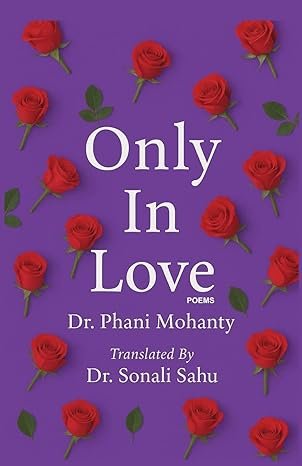
Only in Love
₹400.00The palpable transformations across the global arena in the aftermath of the cyber revolution and information technology explosion caused serious concern among aficionados of literature about its future. But their apprehensions appeared to be unfounded when literature withstood the onslaughts and emerged unruffled, being ensconced on a firm saddle. Literature, with its diverse genres, entertains and enlightens readers with new insights and perspectives on life, releasing them from the labyrinth of cares and anxieties, and infusing in them resilience and enthusiasm.
A creative writer observes the situations with his organic sensibility and shares his emotions and feelings passionately through objective correlatives. The writer, by the alembic of his imagination, creates an oasis in the desert of life, paints a rainbow amid the stormy tumult of society. The writer’s alchemy of creativity with the wizardry of images enthrals the readers, keeping them in a mesmerizing spell.
Against this backdrop, it is seen that translation occupies a paramount position in promoting literature on an international platform with a wider clientele. The poetry collection in Odia, “Kebala Premare” of the renowned Neo Romantic poet Dr Phani Mohanty, is translated into English as “Only in Love” by Dr Sonali Sahu. Dr Sahu has done a wonderful job in making an impeccable transfer of feelings, emotions, and thoughts of the veteran poet Dr Mohanty from the source language to the target language. I am sure she must have come across problems in finding substitutes for certain emotions, colloquial expressions, yet she has managed to overcome them by presenting the tone, tenor, and essence of feelings. Poetry in Indian languages contains certain features, such as verbal imageries, local myths, inflections, and colloquialisms, that prove to be a translator’s nightmare. Dr Sahu, with her maturity, expertise, and command over both languages, has successfully overcome the situation.
The veteran poet Dr Mohanty meticulously adheres to the poetic diction suggested by Wordsworth, always using ordinary, common, simple, and colloquial language really used by men in their day-to-day lives, for which he is widely hailed by the readers as a Neo-Romantic poet. Dr Mohanty’s poetic career spanning across five decades with more than six dozen poetry collections, numerous awards and accolades like Odisha Sahitya Akademi and Kendriya Sahitya Akademi have endeared him to the charmed circle of hordes of readers for his unique theme of love, longing, regret, passion, despair, and positive affirmation depicted with simple diction, colloquial language, and lucid expression flowing uninterruptedly from a weary heart stirred with the subtle nuances and vagaries of love.
In this Collection of poems, “Only in Love,” Dr Mohanty treats the concept of love as a pilgrimage of the human soul, an endless journey from the known to the unknown, from the physical to the metaphysical, from the real to the surreal, from the terrestrial to the ethereal, from the amorous to the philosophical and from the trivial to the sublime dimensions. The emotions, feelings, and passions in colloquial idioms unwaveringly flow like a stream where the heart understands perfectly, long before the mind attempts to decode it.
— Kamala Prasad Mahapatra
-

Padmabat
₹800.00‘ପଦ୍ମାବତ’ ସୁଫି ସନ୍ଥକବି ଜାୟସୀଙ୍କର ଏକ ଅନବଦ୍ୟ ରଚନା। ତାଙ୍କର ଏହି ରଚନାରେ ସିଏ ପାର୍ଶୀ ମନସବୀ ପଦ୍ଧତି ଅନୁସରଣ କରିଛନ୍ତି। ତାଙ୍କର ପ୍ରାୟ କୋଡ଼ିଏଟି ରଚନାବଳୀ ମଧ୍ୟରେ ‘ପଦ୍ମାବତ’ ସର୍ବସମ୍ମତ ଭାବେ ଶ୍ରେଷ୍ଠ ବୋଲି ବିବେଚିତ।
ପଦ୍ମାବତର ରଚନା କାଳ ଖ୍ରୀ.୧୫୪୦ ବୋଲି କୁହାଯାଏ। ଏହି କାବ୍ୟରେ ଶେରଶାହଙ୍କ ନାମ ଉଲ୍ଲେଖ ରହିଛି। ତେଣୁ ଏହାର ରଚନା ଶେରଶାହଙ୍କ ସମକାଳୀନ ବୋଲି ଧରାହୋଇଛି।
ପଦ୍ମାବତ କାବ୍ୟରେ ଜୀବନ ଦର୍ଶନ ସୁସ୍ପଷ୍ଟ ଭାବରେ ପ୍ରତିଫଳିତ। ଜୀବନର ନଶ୍ୱରତା କଥା ବାରମ୍ବାର ଉଲ୍ଲେଖ ହୋଇଛି। କବିଙ୍କ ଦୃଷ୍ଟିରେ ମରଣର ସାଧନା ହିଁ ଏଥିରୁ ମୁକ୍ତିର ପଥ। କାରଣ ମୃତ୍ୟୁଲାଭ ପରେ ପୁନର୍ବାର ମୃତ୍ୟୁ ହୋଇପାରେନା। ଏଣୁ ସାଧୁର ମୁଖ୍ୟ ଲକ୍ଷଣ ମରଣ ଲଭିବା। ରତ୍ନସେନ ଓ ପଦ୍ମାବତୀ ଉଭୟ ପ୍ରେମର ସାଧକ ଏବଂ ପ୍ରେମ ଦ୍ୱାରା ମୃତ୍ୟୁକୁ ଜଣିବାକୁ ଚାହିଁଛନ୍ତି। ଜାୟସୀ ଭୃଙ୍ଗ ଓ କୀଟର ସମ୍ପର୍କକୁ ଗୁରୁ ଶିଷ୍ୟର ମାନ୍ୟତା ଦେଇଛନ୍ତି। କୀଟ ଭୃଙ୍ଗରେ ପରିଣତ ହୋଇ ନବ କାୟା ଲାଭ କରୁଛି। ରତ୍ନସେନ ଓ ପଦ୍ମାବତୀ କୀଟର ଜୀବନ ପରିତ୍ୟାଗ କରି ଭୃଙ୍ଗରେ ପରିଣତ ହେବାକୁ ଚାହୁଁଛନ୍ତି।
-
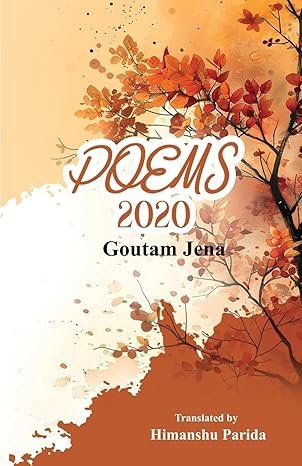
Poema 2020
₹250.00The collection has 42 poems on different topics and subjects. The book starts with the address of the poet to his own self and gets the reader ready for giving the readers as if a preparatory lesson for experiencing his poetry in their own life. Many of the poems of Goutam Jena are more of a confessional statement. Sometime his excess of obsession with certain topics makes him biased and full of eulogy. But he has a tremendous skill of resolution in the poem comprising different views. The poet’s declaration of his personality is in the following words in his poem; ‘To Me’
“I have never been in advertisements.
Thrown into the dustbin
I wait for someone to pick me up
Considering me as a valuable
Then I am precious.
If I am thrown as a piece of glass
I lie as a piece of glass only.
If you mix up diamond with pieces of glass
Who has the skill to separate it off!
Only a perfect eye can find the difference
That it is of worth.”
The above statement speaks of what the poet is. The poet wants to create a different world of his own where his words shall be his own. The topics chosen by the poet, e.g. Lockdown, In search of Happiness, India that is India, Love for Country, Traitor etc. are definitely from a wide canvas which does not restrict the poems to a specific time period. Rather for the poet the poetic world is an extraction of events from the huge field of time just to understand the reason behind a great chain of events.
-
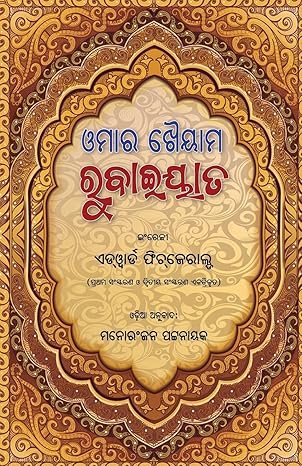
Rubaiyat (Omar Khayyam )
₹200.00Rubáiyát of Omar Khayyám is the title that Edward FitzGerald gave to his 1859 translation from Persian to English of a selection of quatrains (rubāʿiyāt) attributed to Omar Khayyam (1048-1131), dubbed “the Astronomer-Poet of Persia”.
FitzGerald’s work has been published in several hundred editions and has inspired similar translation efforts in English, Hindi and in many other languages.
Manoranjan Pattanayak’s translation in Odia would provide a pleasant reading to the Odia poetry lovers.
-
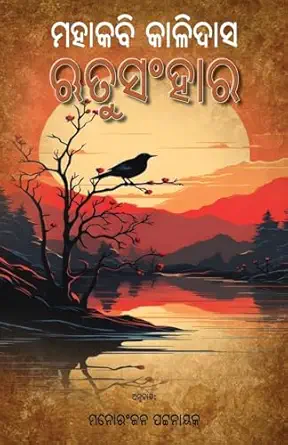
Rutusamhara (Kalidasa)
₹280.00ମହାକବି କାଳିଦାସ କୃତ ‘ଋତୁସଂହାର’ ସଂସ୍କୃତର ପ୍ରଥମ ସ୍ୱତନ୍ତ୍ର ଋତୁକାବ୍ୟ । ଏହା ଏକ ସ୍ୱତନ୍ତ୍ର ଋତୁକାବ୍ୟ । ଏହା ଏକ କ୍ଷୁଦ୍ରକାର ଆଦିରସାତ୍ମକ କାବ୍ୟ । ଏହାକୁ ଖଣ୍ଡବାକ୍ୟର ଅନ୍ତର୍ଭୁକ୍ତ କରାଯାଏ । କେହି କେହି ଏହାକୁ ଗୀତିକାବ୍ୟ ମଧ୍ୟ କହନ୍ତି ।
‘ଋତୁସଂହାର’ ଶିରୋନାମଟିରେ ସଂହାରର ଅର୍ଥ ହତ୍ୟା ନୁହେଁ । ଏହାର ଅର୍ଥ ହେଉଛି ସମାବେଶ ବା ମାଳା । ତେଣୁ ‘ଋତୁସଂହାର’କୁ ‘ଋତୁ ସମାବେଶ’ ବା ‘ଋତୁମାଳା’ ହିସାବରେ ବିଶ୍ଳେଷଣ କରାଯାଇପାରେ ।
‘ଋତୁସଂହାର’ କାଳିଦାସଙ୍କ ପ୍ରଣୀତ ପ୍ରଥମ କାବ୍ୟ ରଚନା, ଯେଉଁଥିରେ ଭାରତୀୟ ଉପମହାଦେଶର ଛଅଟି ଋତୁର ବର୍ଣ୍ଣନା ରହିଛି । ଛଅ ଋତୁର ସୁନ୍ଦର ବର୍ଣ୍ଣନା କବି ଛଅ ସର୍ଗରେ ବା ଅଧ୍ୟାୟରେ କରିଛନ୍ତି । ପ୍ରଥମ ସର୍ଗଟି ଗ୍ରୀଷ୍ମଋତୁ ବିଷୟକ । ପରବର୍ତ୍ତୀ ସର୍ଗ ଗୁଡ଼ିକରେ ବର୍ଣ୍ଣିତ ହୋଇଛି ଯଥାକ୍ରମେ ବର୍ଷା, ଶରତ୍], ହେମନ୍ତ, ଶିଶିର (ଶୀତ) ଓ ବସନ୍ତ ଋତୁ । ବର୍ଣ୍ଣନା ଖୁବ୍ ମନୋହର ଓ ନୈସର୍ଗିକ ତଥା ସ୍ୱଭାବିକତା ବେଶି ମାତ୍ରାରେ ପରିଦୃଷ୍ଟ ହୁଏ । ଏଗୁଡ଼ିକ ଦୁଇ ପ୍ରଣୟୀଯୁଗଳର ପରସ୍ପର ସଂବାଦ ।
ପ୍ରତ୍ୟେକ ଋତୁର ସଂଦର୍ଭରେ କବି ନ କେବଳ ସମ୍ବନ୍ଧିତ କାଳଖଣ୍ଡର ପ୍ରାକୃତିକ ବୈଶିଷ୍ଟ୍ୟ, ବିବିଧ ଦୃଶ୍ୟସମୂହର ଚିତ୍ରଣ କରାରାଇଛି ତାହା ନୁହେଁ ଅଧିକନ୍ତୁ ପ୍ରକୃତି-ଜଗତରେ ହେଉଥିବା ପରିବର୍ତ୍ତନ ଓ ପ୍ରତିକ୍ରିୟାକୁ ଯୁବକ-ଯୁବତୀ ଓ ପ୍ରେମିକ-ପ୍ରେମିକାଙ୍କର ପ୍ରଣୟ ଜୀବନ ଉପରେ ପଡୁଥିବା ପ୍ରଭାବର ବି ରୋମାନୀ ଶୈଳୀରେ ନିରୂପଣ ଓ ଆକଳନ କରିଛନ୍ତି । ପ୍ରକୃତିର ପ୍ରାଙ୍ଗଣରେ ବିହାର କରୁôଥିବା ବିଭିନ୍ନ ପଶୁ-ପକ୍ଷୀ ତଥା ନାନା ବିଧ ବୃକ୍ଷ, ଲତା ଓ ଜୀବ-ଜନ୍ତୁଙ୍କ ବିଷୟରେ ବି ଭୁଲି ନାହାନ୍ତି । ସିଏ ଭାରତର ପ୍ରାକୃତିକ ବୈଭବର ସହିତ ତା’ର ସ୍ୱଭାବ ଓ ପ୍ରବୃତ୍ତିର ପୂର୍ଣ୍ଣତଃ ପରିଚିତ ଅଛନ୍ତି । ପ୍ରସ୍ତୁତ କାବ୍ୟଗ୍ରନ୍ଥଟିକୁ ପଢ଼ିଲେ ଭାରତର ବିଭିନ୍ନ ଋତୁଗୁଡ଼ିକର ସୌନ୍ଦର୍ଯ୍ୟ ସଂପୂର୍ଣ୍ଣ ରୂପରେ ଆମ ଚକ୍ଷୁ ସମ୍ମୁଖରେ ଉପସ୍ଥିତ ହୋଇଥାଏ ।
-
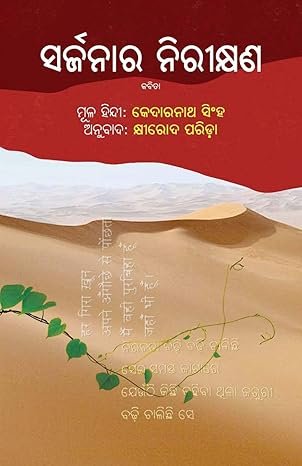
Sarjanara Neerikshana
₹190.00Kedarnath Singh was a poet of the earth and sky, towns and villages. He saw the ironies of life, ups and downs, love and sorrow, and the fast-changing scene of Indian democracy challenged by new political movements. When the Naxalbari leftist movement (an armed peasant movement that started in West Bengal) rattled the country, he understood the aspirations of underprivileged people, and his writing slowly started to lean toward the left. But Kedarnath Singh always remained a poet of optimism. In his poem “Srishti Par Pahra”, he writes, “Wearing the wobbly wooden sandals of roots / it was standing before me / guarding the border, . . . a tall, huge, desiccated tree / with only a few leaves left / waving on the top. How magnificent it was to view / on the very top of a dwindling tree / the swaying of the leaves. / In a severe drought / they were there / defending the universe.” Similarly, in his poem “Grass,” he writes: “She is a gypsy / driven from all the cities in the world / now looking for its lost name and place / in the dust of your town. / . . . She is an obstinacy to rise / from anywhere, / anytime. “Srishti par pahra” was his latest publication before he breathed his last. It is comprised of many unparalleled poems and translated in to Odia under the title “Sarjanara Nireekshana “.
-
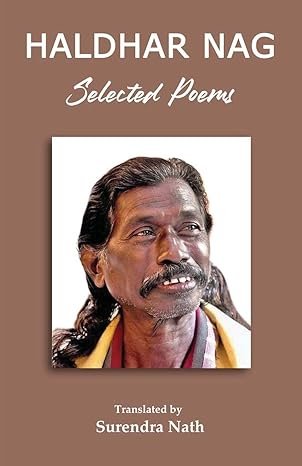
Selected Poems of Haldhar Nag
₹250.00“I have often wondered if Haldhar Nag graduated from a poetry school. Of course, that cannot be true, but my feeling arises from the abundance of figures of speech that appear in his poetry. Unknown to him, he sprinkles liberally the effects of alliteration, metaphors, internal rhyming, personification, onomatopoeia, and what have you in his usage. Ghensali (River Ghensali) is personification at its best, where the poet personifies a river in spate as a young lass in exuberance. And yes, he has come out with sonnets too. Read Ati (Too Much) to get a taste of Haldhar sonnet. The stanzas are spaced in 4, 4, 4, 2 lines, with a proper rhyme scheme. It leaves me in wonderment again – If he did not go to a poetry school, then did God plant all these literary usages in his head?
For the sound effect, listen to Chaetar Sakaal (The Morning of March) – twelve stanzas replete with
onomatopoeic works. Pity the translator who has to preserve the special effect in another language. I take recourse to the limitations of translation once again and state the obvious: Translations can never attain the beauty of the original. If we liken the original to an attractive painting, at best, the translation can be a replica or a photograph.
A hallmark of Haldhar Nag’s poetry is what I call the Haldhar twist. It is particularly prominent in his short poems. The poet takes an abrupt turn in the direction in the last stanza, not necessarily for summarizing or moralizing. The surprise turn in the final stanza, instead, leaves the readers with a ‘wow’ effect. Very many poems in this collection display the Haldhar twist – Our village Cremation Ground, A Cubit Taller, The Dove is my Teacher, and Old Banyan Tree, to name a few”, writes the translator in his prefix.
The collection has 60 poems.
-
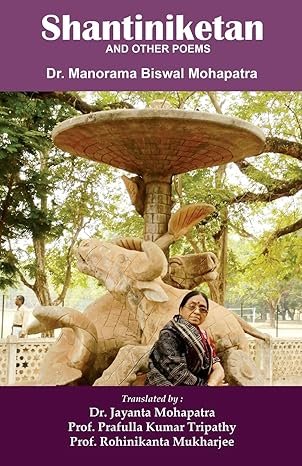
Shantiniketan and Other Poems
₹250.00Places, relationships, nature, domestic experiences: these are the main sources of Manorama Biswal Mohapatra’s poems. The print plight of Shanti Niketan Tagore’s Dream-University saddens and infuriates the poet who admires its founding genious. Its dance has been stilled; devils and dragous have turned that sweet dream into a fierce nightmare. Its cry makes her listless, nostalgic about its glorious past that had initiated her into the art of poetry and music. This unrest soon grows into self-pity, she feels she is a woman in exile trying to climb up a broken ladder. The poet pays rich tribute to her mother who had first planted dreams in her: she never capsizes, never ceases to burn. There is a goddess in every mother, she says. Her decrepit village pains her as much as her house whose love and faith have given way to sadness and gloom. The poems, mostly, have an elegiac tone: yet there are moments too of hope and assurance of survival.
Prof. K. Satchidanandan
Eminent Poet & Professor of Malayalam Language
Ex-Secretary
Central Sahitya Academy