-
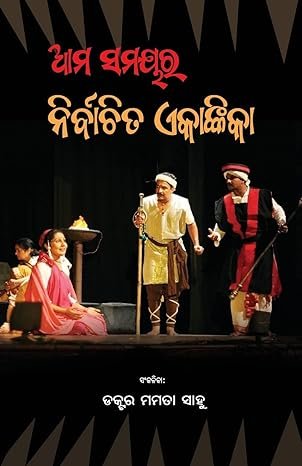
Ama Samayara Nirbachita Ekankika
₹410.00ସ୍ୱଳ୍ପ ଆୟତନ ଓ ସମୟ ଭିତରେ କଥାବସ୍ତୁକୁ ବିଭିନ୍ନ ଘଟଣା ଓ ଚରିତ୍ର ମାଧ୍ୟମ ଦେଇ ଚରମ ପରିଣତି ଆଡ଼କୁ ଯଦି କେହି ଅଗ୍ରସର କରାଇପାରେ ତେବେ ସେ ହେଉଛି ଏକାଙ୍କିକା ବା ଛୋଟ ନାଟକ । ଏଇ ସଂକଳନ କାର୍ଯ୍ୟ ମୁଖ୍ୟତଃ ଏକାଙ୍କିକା ଓ ଛୋଟ ନାଟକକୁ ନେଇ ହୋଇଛି । ଦୀର୍ଘ ନାଟକ ଅପେକ୍ଷା ଏକାଙ୍କିକା ବା ଛୋଟ ନାଟକ ବହୁ ଲୋକପ୍ରିୟତା ଅର୍ଜ୍ଜନ କରିପାରଛି । ଓଡ଼ିଆ ସାହିତ୍ୟରେ ଏକାଙ୍କିକା ପ୍ରାୟ ୧୯୪୦ ମସିହାରୁ ଏପର୍ଯ୍ୟନ୍ତ ଲେଖାହୋଇ ଆସୁଛି । ଦୀର୍ଘ ଅଶି ବର୍ଷ ଭିତରେ ନାଟ୍ୟକାରମାନେ ବିଭିନ୍ନ ପରୀକ୍ଷା ନିରୀକ୍ଷା କରିଆସୁଛନ୍ତି ବିଭିନ୍ନ ନାଟକ ଓ ଏକାଙ୍କିକାରେ । ଫଳରେ ପ୍ରାରମ୍ଭିକ ପର୍ଯ୍ୟାୟରେ ଏକାଙ୍କିକା ଯାହା ଥିଲା ବର୍ତ୍ତମାନ ତା’ର ନାମ ବଦଳାଇ ଛୋଟ ନାଟକରେ ରୂପାନ୍ତରିତ । ଏହି ଏକାଙ୍କିକାର ପ୍ରୟାସ ନାଟ୍ୟକାର କାଳୀଚରଣ ପଟ୍ଟନାୟକଙ୍କଠାରୁ ଆରମ୍ଭ ହୋଇଛି । ଦୀର୍ଘ ନାଟକ ଅପେକ୍ଷା ଛୋଟ ନାଟକ ବା ଏକାଙ୍କିକା ଖୁବ୍ ସୁଦୂର ପ୍ରସାରୀ ଓ ଭାବଗର୍ଭକ । କେବଳ ସେତିକି ନୁହେଁ ବଂର ଏହି ପ୍ରକାରର ନାଟ୍ୟରଚନା ବିଶ୍ୱ ନାଟ୍ୟଧାରା ସହ ସମକକ୍ଷ ହୋଇ ପାରିଛି । ପ୍ରାଣବନ୍ଧୁ କରଙ୍କଠାରୁ ସୁବୋଧ ପଟ୍ଟନାୟକ(ନାଟ୍ୟଚେତନା)ଙ୍କ ପର୍ଯ୍ୟନ୍ତ ବିଭିନ୍ନ ଏକାଙ୍କିକା ଦେଶ ବିଦେଶରେ ମଞ୍ଚସ୍ଥ ହୋଇ ସଫଳତା ଲାଭ କରିଛି । କେବଳ ଯେ ଅବସର ବିନୋଦ ନିମନ୍ତେ ଏକାଙ୍କିକା ଲେଖାଯାଇଛି ତା’ନୁହେଁ ବରଂ ମଣିଷ ଜୀବନର ଜଟିଳ ଦିଗ ଓ ବିଭିନ୍ନ ସମସ୍ୟାକୁ ମଧ୍ୟ ରୂପାୟିତ କରାଯାଇଛି । କାଳୀଚରଣ ପଟ୍ଟନାୟକଙ୍କ ‘ଦେବତାର ତଳେ’ ଏକାଙ୍କିକାଠାରୁ ଆରମ୍ଭ କରି ଶଙ୍କର ପ୍ରସାଦ ତ୍ରିପାଠୀଙ୍କ ‘ପଶୁଘାତ’ ଏକାଙ୍କିକା ପର୍ଯ୍ୟନ୍ତ ପ୍ରାୟ ସମସ୍ତ ଏକାଙ୍କିକାରେ ଜୀବନର ଗଭୀରତମ ଦିଗ, ବିଭିନ୍ନ ମନସ୍ତାତ୍ତ୍ୱିକ ଚିନ୍ତନ, ପ୍ରଗତିଶୀଳ ସମାଜର ଚିତ୍ର ଓ ବହୁବିଧ ସମସ୍ୟାକୁ ଦେଖିବାକୁ ପାଇବା । ତା’ସହିତ ବିଭିନ୍ନ ପୌରାଣିକ, ସାମାଜିକ ଓ ମନସ୍ତାତ୍ତ୍ୱିକ କାହାଣୀକୁ ଆଧାର କରି ରଚନା ହୋଇଥିବା ଛୋଟ ନାଟକ ଗୁଡ଼ିକରେ ମଣିଷ ଜୀବନର ଅବ୍ୟକ୍ତ ଯନ୍ତ୍ରଣା, ଅସହାୟତା, ନୈରାଶ୍ୟ, ବିଫଳତା ପ୍ରଭୃତିକୁ ନାଟ୍ୟକାରମାନେ ସଫଳତା ସହକାରେ ଉପସ୍ଥାପନ କରିପାରିଛନ୍ତି ।
-
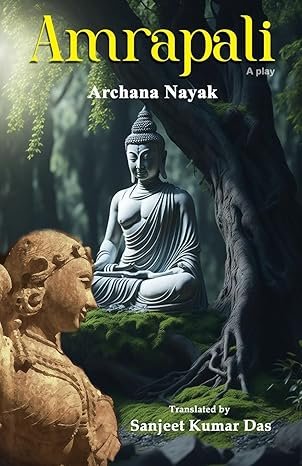
Amrapali
₹250.00The Play Amrapali is based on a famous story of the Buddhist period in India. Generally, many stories and characters, as enshrined in the great epics of the Mahabharat and the Ramayan of India, are creatively transferred and have wider acceptability and readership among the public. The incidents of Buddhist and Jain texts scripted in Pali and Prakrit languages strongly impact contemporary life in society and literature. While reviewing the literature of Bauddha Bhikshunis (female mendicants), I came across Ambapali, a Courtesan (Bride of the City) of Vaishali. There was a small state, Vaishali, in North India two thousand and six hundred years ago. It was the Sangha-governed Republic. A vast mango orchard was on the outskirts of this city. One day, while wandering, the mango grove’s watchman was startled to see an abandoned newborn girl beneath a mango tree. As per the approval of the state council, the issueless watchman nourished and nurtured the girl. When she found the child under the mango tree, she was named after Amrapali/Ambapali/Amba.Like a celestial nymph, Amrapali became a young nubile girl known for her beauty and charm. She was divinely graced. She was second to none in dancing and singing. Having participated in the Annual Dance Programme, Ambapali was declared the ‘Royal Court Dancer’ by the State Republic. Because of her extraordinary beauty, the Merchants, the Barons, and the members of the State Council started fighting among themselves to be with her. So, the state Board of Council announced the Courtesan (Bride of the City) for the city’s welfare. Every male in the town would have the right to spend time with her.The anecdote of Amrapali’s beauty and dance performance of sublime order had been spread worldwide. The insolent Emperor of Magadha, the enemy state of Vaishali Republic, Bimbisara, had disguised himself to enter the palace of Ambapali and received hospitality as a guest for seven days. When the State Council of Vaishali came to know about the matter, it immediately tried to arrest King Bimbisara; Ambapali helped him escape the spot. Then, the love story of Bimbisara and Amrapali was brought to the limelight. The State Council accused Ambapali of developing a love relationship with the King of the enemy state. On the other side, the King of Magadha Bimbisara fought with the Vaishali Republic to marry Ambapali and won the state. However, Ambapali showed hesitation in moving to Magadha and leaving Vaishali. At this time, the most compassionate Lord Buddha reached the city. Ambapali surrendered at the feet of Tathagata Buddha and started to lead the life of a female mendicant with the hope of getting nirvana (Salvation).
-

An Inhabitaed Forest
₹250.00Is there any forest where no human beings reside? There may be.Is there any forest where trees can talk, sing, listen to, laugh, cry, and offer fruits sensing one’s mind? There may be.Maybe, hearing the human’s footsteps, they will be silent, or else they will be quiet by the stroke of an axe.Had they had wings, the trees would have flown miles over miles, but had they had the wings, what would human beings have done? There would not have been any civilization, society, or exploitation.To the continuous exploitation, indecisive harassment, and plundering, the infinite number of documents of man’s materialistic greed in the name of civilization, religion, party politics, and dumb witness is the forest. Forest is the cornerstone of human civilization.I have never seen such a tree. It may happen so that the trees may not talk to me. So, imagining such a play through direct experience may not be expected.In contemporary society, and the decline derived from that, the languor of defeat is created in the human mind. Very mysteriously, an opposite idea is made: “Had it been so, what would have happened!” To the artist, conscious of the situational needs, this type of idea and whim is necessary, for there is the hope that, maybe, the literature created out of this will make the people aware of, and the human civilization may sustain from the forthcoming disaster/apocalypse.
-
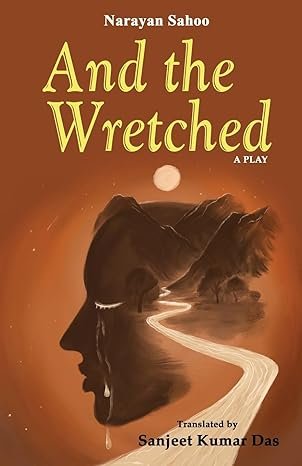
And the Wretched
₹250.00The playwright Narayan Sahoo brilliantly knocks on society’s door to glance over the agonies and suffering the dominated class is experiencing daily through his O Saba Sesha Loka. This has been translated from Odia into English as And the Wretched. Here, he focuses on how people experiencing poverty suffer unendingly and their voice is unheard diachronically. Moving across the axes of Time and Space, the picture remains almost the same, though the illustrations he has stated are of this Indian Peninsula. The powerless and the voiceless raise their voices against the powerful and dominant classes for approving their natural rights. The writer advocates the mantra (dictum), as prescribed in the dialogue of Great Man, can be simplified that nothing is possible through negotiation so far. The alternative to this is revolution, the means of ascertaining one’s rights and individuality. He painstakingly cites Ekalavya’s case from the Mahabharat, the historical case of the Sun Temple of Odisha and the contemporary society wherein we are all the subjects successfully. He has undoubtedly justified the title of his play. Let’s look at the vignettes he has snapped in his creative oeuvre for the wider readership.
-
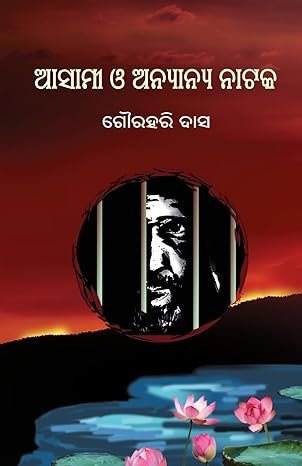
Asami O Anyanya Nataka
₹180.00‘ଆସାମୀ ଓ ଅନ୍ୟାନ୍ୟ ନାଟକ’ରେ ଯେଉଁ ତିନିଟି ନାଟକ ସଂକଳିତ ହୋଇଛି ସେଗୁଡ଼ିକ ହେଲା ‘ଆସାମୀ’, ‘ନୂଆ ଠିକଣା’ ଏବଂ ‘ମାୟା’ । ଏ ନାଟକଗୁଡ଼ିକ ୨୦୧୬ ଓ ୨୦୧୭ରେ ଯଥାକ୍ରମେ ଉତ୍ତରପୁରୁଷ, ନାଟ୍ୟଚେତନା ଓ ଶତାବ୍ଦୀର କଳାକାର ଦ୍ୱାରା ପ୍ରଥମେ ମଞ୍ଚସ୍ଥ ହୋଇଥିଲା ।
ନାଟକ ସଂପର୍କରେ
ନାଟକ ‘ଆସାମୀ’, ନୋଟ୍ ଓ ଭୋଟ୍]ର ରାଜନୀତି ଭିତରେ ଛନ୍ଦି ପଡ଼ିଥିବା, ମାଟି ଓ ଭାଟିର ବିଷଚକ୍ରରୁ ମୁକୁଳି ପାରୁ ନ ଥିବା ଗୋଟେ ସାଧାରଣ ପରିବାରର କାହାଣୀ; ଯେଉଁ ପରିବାର କେବଳ ଚାହୁଁଥଲା, ଦିନରେ ଦୁଇଓଳି ଭାତ, ରାତିରେ ଦି ପହଡ଼ ମିଠା ନିଦ ଏବଂ ଗୋଟେ ଗେଲବସରିଆ ଘରକରଣା । କିନ୍ତୁ ମଝିବାଟରେ ନିଶାପାଣି ଭଳି ଅପଦେବତାର ବିଷବୃଷ୍ଟି ଜାଳିପୋଡ଼ି ଛାରଖାର କରିଦିଏ ସେମାନଙ୍କର ସ୍ୱପ୍ନ । ସମୟକ୍ରମେ ନିଶାସକ୍ତ ମଣିଷ ବୁଝିପାରେ – ଯୋଉ ନିଶାପାଣିକୁ ସେ ଅମୃତ ଭାବି ଦିନେ ଓଠ ପାଖରେ ଧରିଥିଲା, ସେଇ ନିଶାପାଣି ହଳାହଳ ବିଷ ହେଇ ତାର ସୁନା ସଂସାରକୁ ଚୂନା କରିଚି । ମାତ୍ର ସେତେବେଳକୁ ଅନେକ ବିଳମ୍ବ ହୋଇଯାଇଥାଏ । ନିଜର ସ୍ୱପ୍ନ ଓ ସମ୍ଭାବନାଠାରୁ ସେ ଚାଲିଯାଇଥାଏ ଅପହଞ୍ଚ ଦୂରତାକୁ ।
ମାଟି, ଭାଟି, ନୋଟ୍ ଓ ଭୋଟ୍]ର ମୁନାଫାଖୋର ପଞ୍ଝା, ନାରୀ ମାଉଁସ ଲୋଭୀ କପଟୀମାନଙ୍କର ଭୋକ ଏବଂ ଠିକାଦାରୀ ଶାସନ ବ୍ୟବସ୍ଥାର ଶିକାର ହୁଏ ଏଇ ସାଧାରଣ ମଣିଷ । କ୍ରମେ ସାଧାରଣ ମଣିଷଟି ପରିଣତ ହୁଏ ସଇତାନ୍]ରେ । ନିରପରାଧ ନାଗରିକଟି ରୂପାନ୍ତରିତ ହୁଏ ଅପରାଧୀରେ । ତା ମଥାରେ ମାରିଦିଆଯାଏ ଆସାମୀର ମୋହର । ତେବେ ପ୍ରଶ୍ନ ଉଠେ- ପ୍ରକୃତରେ ଆସାମୀ କିଏ?
-
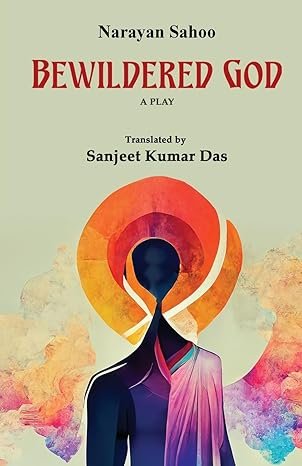
Bewildered God
₹250.00The play Bewildered God, comprising fourteen scenes, unleashes a different taste to the readers and audience of Odia literature. In this play, the playwright Dr Narayan Sahoo has been unique and different from his earlier predecessors and contemporary playwrights of Odisha in the sense that he has tactfully and sarcastically dealt with the voice of dissent against communalism, violence and bloodshed, of human beings’ religion and livelihood.Jagannath, Ram, Ishwar, Jesus, and Allah are different names of only one omniscient, omniscient, and omnipresent soul. Though the learned pundits and experts of all religions undisputedly have accepted this view, today in Ayodhya, the Ram Mandir-Babri Masjid issue is now pan-Indic, not confined to Hindu and Muslim communities only. As the different feet of an Octopus spread in different directions, the deadly poison of communalism has infected the people and their lifestyle of entire India. Today, God is not the faith of devotees but rather a toy in man’s hands, or if we speak, as stated by the playwright, Man is a master, and God is the magician to run the show as directed by the master.The horrible Gas Tragedy had happened in Bhopal in 1984, and by that, many people were disabled, and so was Mary. She lost her procreative power. Her unfortunate husband Joseph knew this, but he couldn’t express this bitter truth to Mary. The playwright has very beautifully penned down the sheer reality of life. One day, human beings were considered as the children of God because of the existence and development of heavenly feelings in them. The cadre of attendants attached to the temple, such as priests, servitors, and administrators, were worshipped and respected in the society. But today, the Head Priest and Head Servitor in the play, engrossed in their carnal desire and longing for money, have used God as an instrument. Today, Ishwar Nivas (Dwelling Place of God) turns into a playground of pretension, deception, hypocrisy, and corruption, instead of being the storehouse of devotion and conviction, . The Head Servitor has not withdrawn himself from enjoying the bodily pleasure of devadasi (a female dancer attached to a temple) Leelamayee at the dead hour of night. However, the Christian Mary’s youth and money are the objects of his temptation. For that reason, Mary couldn’t protect herself. It was not for Mary only, but for God who was worshipped on Ratnabedi (the raised platform), and that His flute and uttariya (Shawl) the servitor has stolen is a trivial matter. At the same time, for his self-interest, this man has blamed God. Therefore, God becomes helpless for his release from social criticisms and blemishes. It is marked that his existence is practically possible only because of the Head Priest and Head Servitor. The title of the play is properly justified. Despite this, everyone is to be tested with the touchstone of Time. Time is also an imaginary character in the play. Forfeiting God’s interest, the people erect here the boundaries of communalism among them and created the mountain of religion, and are continuously engaged in inhuman activities. These are closely marked by Time and will be watched in future. Time is only the silent observer of all these happenings in the world. There will be no community, religion, deception, and hypocrisy in future- but only the supremacy of Time- with this possibility, the playwright has ended the play. As ‘God’ and ‘Time’ are characters in the play and have expressed their views, the play generates a new excitement in the hearts of the readers and viewers.
-

Coronakala
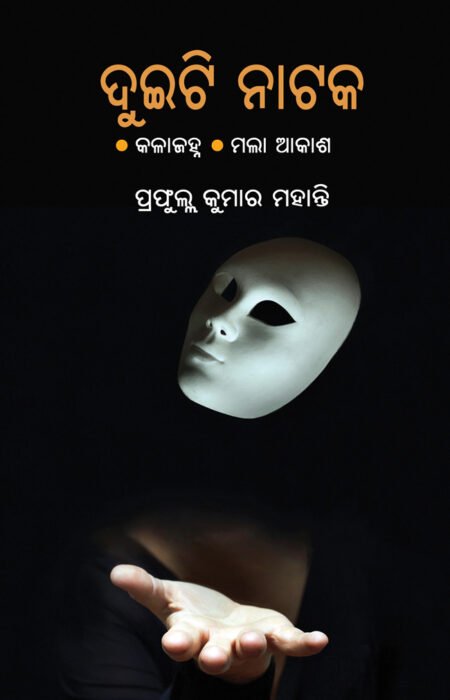
₹160.00” କରୋନା କାଳ” ବହିଟି ଡ ସୁମିତ୍ରା ମିଶ୍ରକଂର ପ୍ରଥମ ଏକାଙ୍କିକା ସଂକଳନ ।ଏଥିରେ ସନ୍ନିବେଶିତ ମାତ୍ର ଚାରି ଟି ଏକାଙ୍କିକା।ସବୁଗୁଡିକ କରୋନା ସମୟର ବିଭିନ୍ନ ପରିସ୍ଥିତିର ବାସ୍ତବ ଚିତ୍ର ବହନ କରେ!!
କରୋନା ମହାମାରୀ କାଳରେ ବୟସ, ଜାତି, ଧର୍ମ, ବର୍ଣ୍ଣ ଅବଶେଷ ରେ ସମସ୍ତେ ରୋଗ ଓ ମୃତ୍ୟୁକୁ ବିଭିନ୍ନ ରୂପରେ ସାମ୍ନା କରିଛନ୍ତି। ଏହି ପୀଡ଼ା ଲେଖିକା ବିଭିନ୍ନ ଘଟଣା ଓ ଚରିତ୍ର ମାଧ୍ୟମରେ ପ୍ରକାଶ କରିଛନ୍ତି ଏହି ନାଟକଗୁଡ଼ିକ ରେ!
କରୋନା ଉପରେ ଲେଖିକାଙ୍କ ର ଦୁଇଟି ଗଳ୍ପ “ କରୋନା କବଳେ” ଓ ” କରୋନା କାଳୀକା“, ଗୋଟିଏ କବିତା ବହି ” କରୋନା କଷଣ” ପ୍ରକାଶିତ ହୋଇ ସାରିଛି।
-
-

E Jeeba Bhrame Akarane
₹165.00‘ଏ ଜୀବ ଭ୍ରମେ ଅକାରଣେ’ କୈଳାସ ପାଣିଗ୍ରାହୀଙ୍କ ଦ୍ୱିତୀୟ ପ୍ରକାଶିତ ନାଟ୍ୟଗ୍ରନ୍ଥ। ୧୯୯୩ ରେ ମଂଚସ୍ଥ ଏଇ ନାଟକଟି ୩୨ବର୍ଷ ପରେ ମୁଦ୍ରିତ ହେବାକୁ ଯାଉଛି।
‘ଏ ଜୀବନ ଭ୍ରମେ ଅକାରଣେ’ ସାଧାରଣ ନିମ୍ନ ବର୍ଗର ମଣିଷ ମାନଙ୍କର ଜୀବଯାତ୍ରାର ସ୍ଥାନାନ୍ତର ଓ କାଳାନ୍ତରକୁ ବାସ୍ତବବାଦୀ ଶୈଳୀରେ ନାଟ୍ୟାୟିତ କରିଛି। ଏହାର ନିର୍ଦ୍ଦେଶନା, ଅଭିନୟ ଓ ଉପସ୍ଥାପନା ପାଇଁ ଲୋକନାଟକ ଉତ୍ସବର ବିଚାରକମାନେ “ରଂଗମଂଚ” ରାଉରକେଲା ପୁରସ୍କାର ପାଇଛି। ଆଶା କରୁଛୁ, ପ୍ରକାଶିତ ନାଟକ ରୂପରେ ଏହା ଓଡ଼ିଆ ନାଟ୍ୟ ଭଣ୍ଡାରକୁ ସମୃଦ୍ଧ କରିବ। ଏପରି ନାଟକ ମାଧ୍ୟମରେ ସମାଜର ଅବହେଳିତ ସାଧାରଣ ମଣିଷ ମାନେ ମଂଚ ଉପରେ ଠିଆ ହୋଇ ନାୟକ ହୁଅନ୍ତି। –ରମେଶ ପ୍ରସାଦ ପାଣିଗ୍ରାହୀ, ରସୁଲଗଡ଼, ଭୁବନେଶ୍ୱର
-

Frog Story and Other Plays
₹550.00These randomly selected 7 plays would transport the readers beyond their trite mundane existence to seven different transcendental terrains-sometimes illusively comic and farcical to unexpected depths of fantasy and the uncanny. The plays included in this volume are
l Frog story l Waiting for the Bus l A Play about a Play l Forty Minutes l All by Accidents l The Elephant in the City l The Emperor with his pot.
-

In-Between
₹300.00‘In-Between’ is a story that unveils the inherent truth within every human being across different eras, a truth suppressed in the mental fabric of civilized societies. While individuals in any epoch may be considered modern within their temporal context, it is only the passage of time that categorizes them as traditionalists, conservatives, or unconventional. Drawing from the Indian knowledge tradition, the play aligns with the concept that, after completing the initial two stages of life, individuals enter an intermediate phase where they cannot revert to the past nor fully embrace the future. In contemporary times, this juncture typically manifests after the age of 40 or somewhere between the ages of 40 and 50.During this phase, a person finds himself in a unique situation – neither entirely old nor entirely young. Despite having youthful enthusiasm, arrogance, mischief, and numerous strenuous efforts, time comes on the way of life with many punctuation marks. While responsibilities take root in the mind, with its baggage, maturity begins to desire the transformation of baked, half-baked and unbaked emotions through the crucible of experience. It’s a peculiar juncture where children evolve into young individuals, driven by their emerging interests, while middle-aged individuals find their interests deeply embedded in their minds, exerting control over their lives. This marks the transitional period, perhaps a phase that renders a person vulnerable even when physical strength persists. Individuals with jobs encounter heightened challenges. As one navigates through the complexities of life, a multitude of experiences surfaces, leading to an overwhelming workload that extends from the office into the home, blurring boundaries. This brings individuals to a crossroads where they neither fully embrace a domestic lifestyle nor remain solely dedicated to their professional roles. In this scenario, equilibrium becomes disrupted, sparking conflicts between spouses. Coping with such challenges demands a unique skill set that may not be possessed by everyone. Natural skill to deal with such situations are not found in everyone as nature distributes its gifts unevenly, and relying on fate for mercy is ultimately futile. Women face more profound challenges compared to men. Given the revered role of mothers across cultures, their focus tends to lean towards their children rather than their husbands. The existence of a generation gap among spouses and children leads to divergent ideologies. Within this dynamic, a woman, referred to as a mother, finds herself navigating conflicting loyalties. Struggling to decide between her children and husband, her heart remains with the former while her mind remains with the latter. Remarkably, she manages to maintain a more delicate balance than men. Despite a deeper affection for her children, she retains her commitment to her husband. Men can learn valuable lessons in this balancing act from women.This play delves into a crucial theme cantered around human values that get trampled between the destructive forces of false pride and ego. The negative influences of position-related arrogance, male-centric pride, and unchecked greed can degrade an individual to the point where they lose awareness of their responsibilities and disregard the rights of others. By the time the completely ruined individual realises and acknowledges the unfairness of their actions, the clock signals the end of their time.It is expected that this work effectively conveys the significance of the pure Indian philosophy encapsulated in Sarve Bhavantu Sukhinah and resonates with discerning readers.
-

Kalapahada
₹300.00The traditional account of Kalapahad, a Hindu renegade and an iconoclast has influenced the Odia social and literary space. According to some historical documents, his original name was Rajiv Lochan Ray or Kalachand Roy Bhadury, a Bengali (Barendra Brahmin) who fell in love with Dulari, the beautiful and charming daughter of Sulaiman Karrani, the Nawab of Bengal. He married her after his conversion to Islam.But he repented of his deed as he faced boycott in the society. Therefore, he wanted to return to Hinduism.
But the Hindu society refused to accept him as a Hindu. At last, he came to the Temple of Lord Jagannath at Puri to perform expiation to convert himself to Hinduism. But the priests scornfully turned down his prayer for conversion. He got enraged and assumed the name of Kalapahad and vowed to ruin Hindu religion, images and temples.Madalapanji, the temple chronicle holds that Kalapahad desecrated the Jagannath temple. According to this tradition, “when the servitors of the temple heard of Kalapahad’s design on the temple, they took the images out of the temple and hid them at a place named Hatipada near Chilka lake. But Kalapahad learnt of this and brought the images from that place on elephants. He carried them to the bank of river Ganges and set fire to them. Just at that time a miracle happened. His body got cracked into pieces. Being perplexed by this, he brought out the gods from the fire and dumped them in the Ganges. Holy Ganga carried the Brahma (or Brahma Pinda) downstream where a Vaishnava devotee Bishar Mohanty extracted the immortal part (Brahma). Later he consecrated the Brahma at Garh Kujanga temple. The ‘Brahma’ was worshipped there for seven years, (1568A.D to 1575 A.D). In 1575 A.D during the rule of Ramachandra Dev, the first king of the Bhoi dynasty, ‘Brahma’ was brought from Garh Kujang and kept at Khordha Garh by him. Next year in 1576 A.D, the construction of new images, their entry in to the temple along with the installation of ‘Brahma’ in them were performed. This account of Kalapahad has been mentioned by Dr.Sarat Chandra Biswal in his article, “Sri Jagannath and Kalapahad” published in Odisha Review.